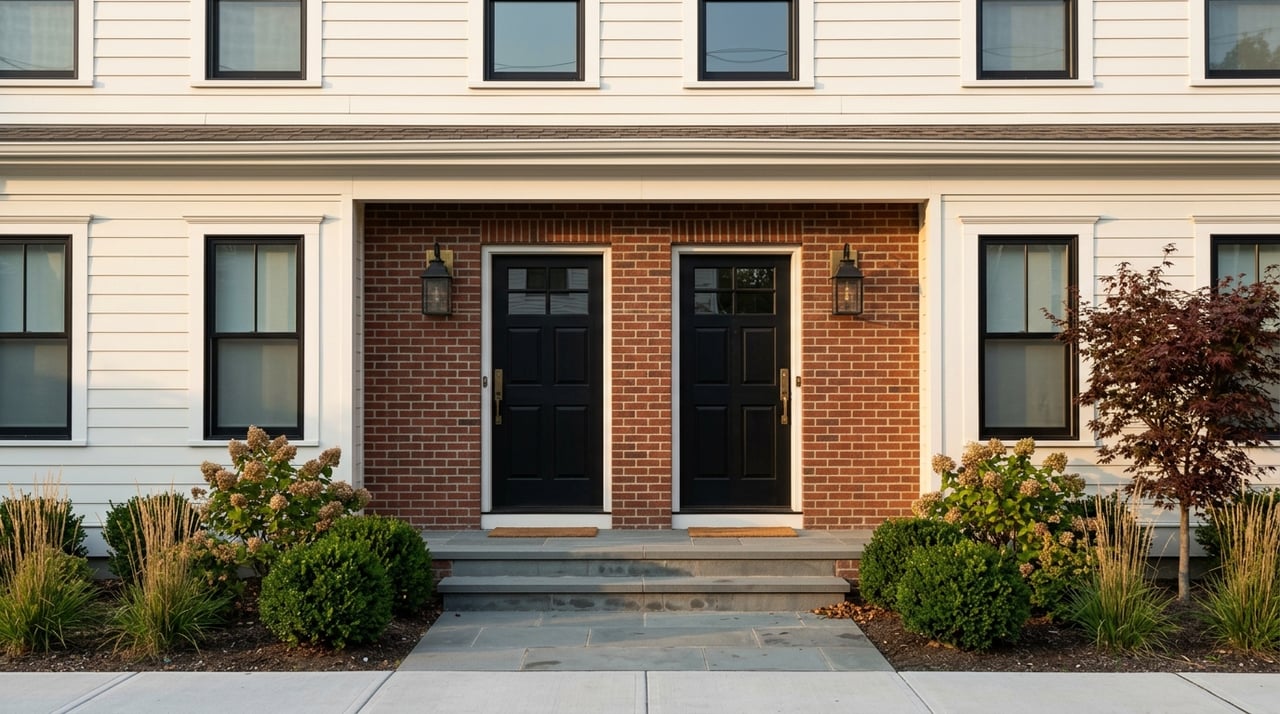
Newton Condo vs Single Family: Key Tradeoffs to Weigh
July 16, 2026
July 16, 2026
Thinking about buying in Newton and stuck between a condo and a single-family home? You are not alone. In this market, that choice can shape your monthly costs, your day-to-day routine, and how much time you spend on upkeep for years to come. The good news is that Newton offers strong options in both categories, and understanding the tradeoffs can help you choose with more confidence. Let’s dive in.
In Newton, the condo-versus-house decision is not just about square footage. It is also about which village fits the way you want to live. Newton is organized around 13 village centers rather than one downtown, and that local structure has a big impact on price, commute, and lifestyle.
Both property types are central to the local market. For FY2026, the city counted 16,947 single-family parcels and 5,883 condominium parcels, and together those two categories made up 79.55% of Newton’s total assessed value. That means you are choosing between two well-established parts of the market, not a niche option and a mainstream one.
Newton also has a wide range of price points depending on location. The city reported 2023 median residential sale prices ranging from $608,750 in Nonantum to $2,633,750 in West Newton Hill. In practice, that means your condo-versus-house decision may quickly turn into a village-by-village comparison.
For many buyers, the first big difference is carrying cost. In Newton’s FY2026 data, the median assessed value was $813,500 for a condominium and $1,503,500 for a single-family home. Using the city’s FY2026 residential tax rate of $9.69 per $1,000 of assessed value, that works out to estimated median annual property taxes of $7,882.81 for a condo and $14,568.915 for a single-family home.
That gap is meaningful, but taxes are only part of the picture. A condo may have a lower tax burden and lower assessed value, yet your monthly budget still needs to account for HOA dues. Those fees are typically paid directly to the association, not rolled into your mortgage payment.
Single-family ownership often means no HOA dues, which can make your monthly cost structure feel simpler. At the same time, you may be taking on more direct responsibility for repairs, maintenance, and long-term capital work. That is especially important in Newton, where about 52% of housing units were built before 1939.
A condo can be a strong fit if you want easier day-to-day living and access to village-center amenities. Newton’s village centers often blend residential and commercial buildings with moderate pedestrian activity, and several are well positioned for buyers who want to stay connected to shops, dining, and transit.
Newton is unusually transit-rich for a suburban city. The city lists Green Line D stops at Riverside, Woodland, Waban, Eliot, Newton Highlands, Newton Centre, and Chestnut Hill, along with commuter rail stations in Auburndale, West Newton, and Newtonville. If you want a more walkable routine or a transit-friendly commute, condos near village centers often draw the most attention.
The condo market is also active enough to offer meaningful inventory and resale history. Newton recorded 345 condo sales in calendar year 2024, with a median sale price of $1,121,000. That gives buyers a substantial body of comparable market activity to evaluate.
A condo purchase includes both the unit and the association behind it. That makes document review more important than many buyers expect. In addition to the home itself, you should understand how the building is run and whether the association appears financially prepared for future repairs.
Key questions include:
Lenders may review the physical condition of the community, project finances, outstanding debt, pending litigation, required inspections, and whether the project is warrantable. That is why a condo that looks appealing on the surface still needs deeper due diligence.
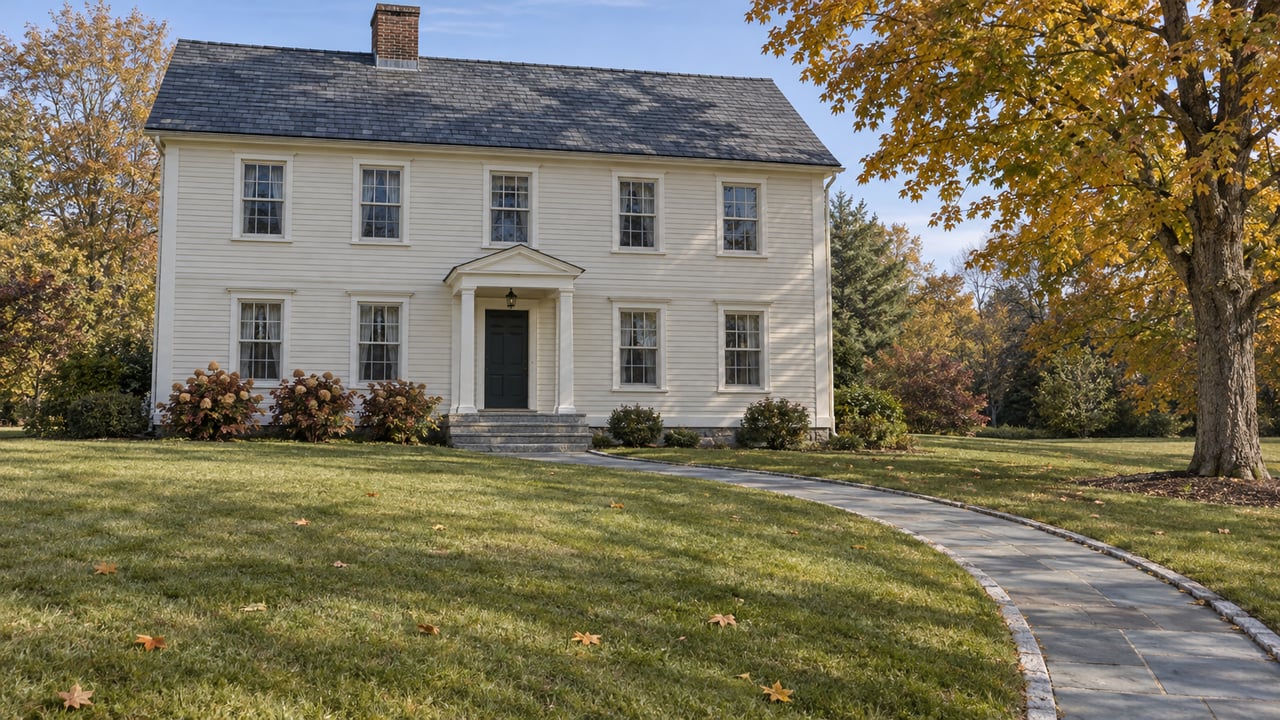
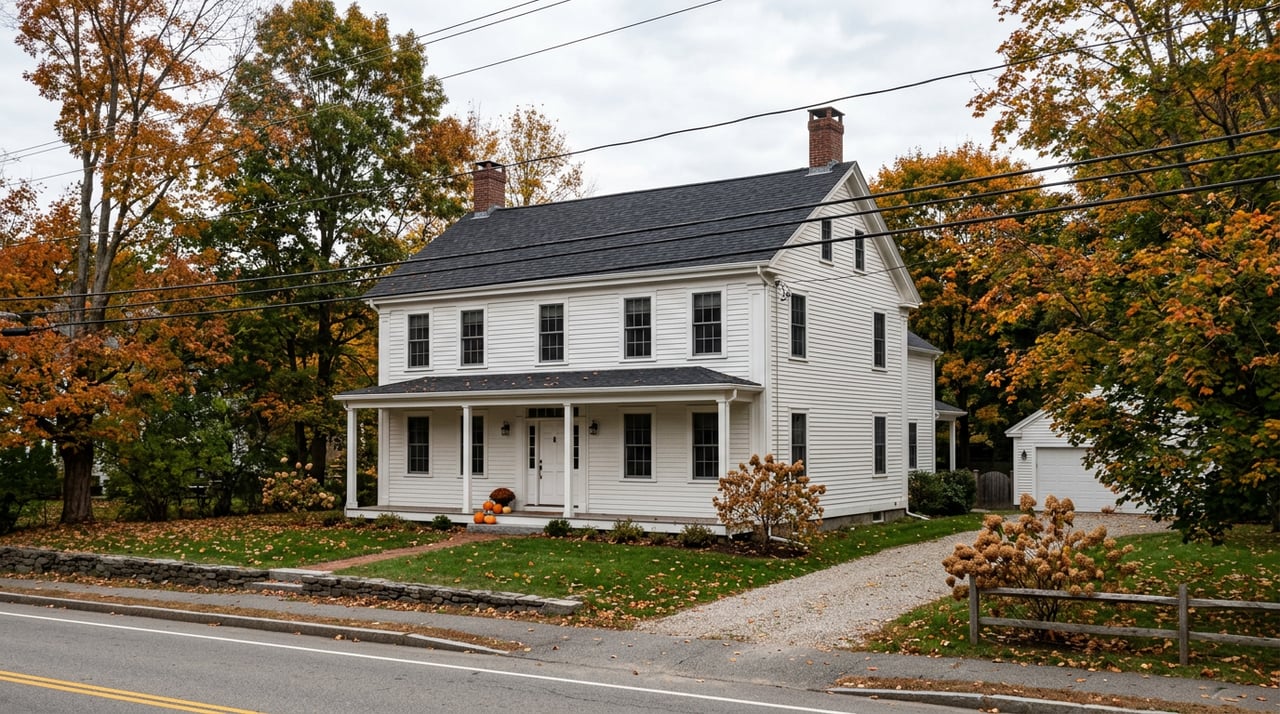
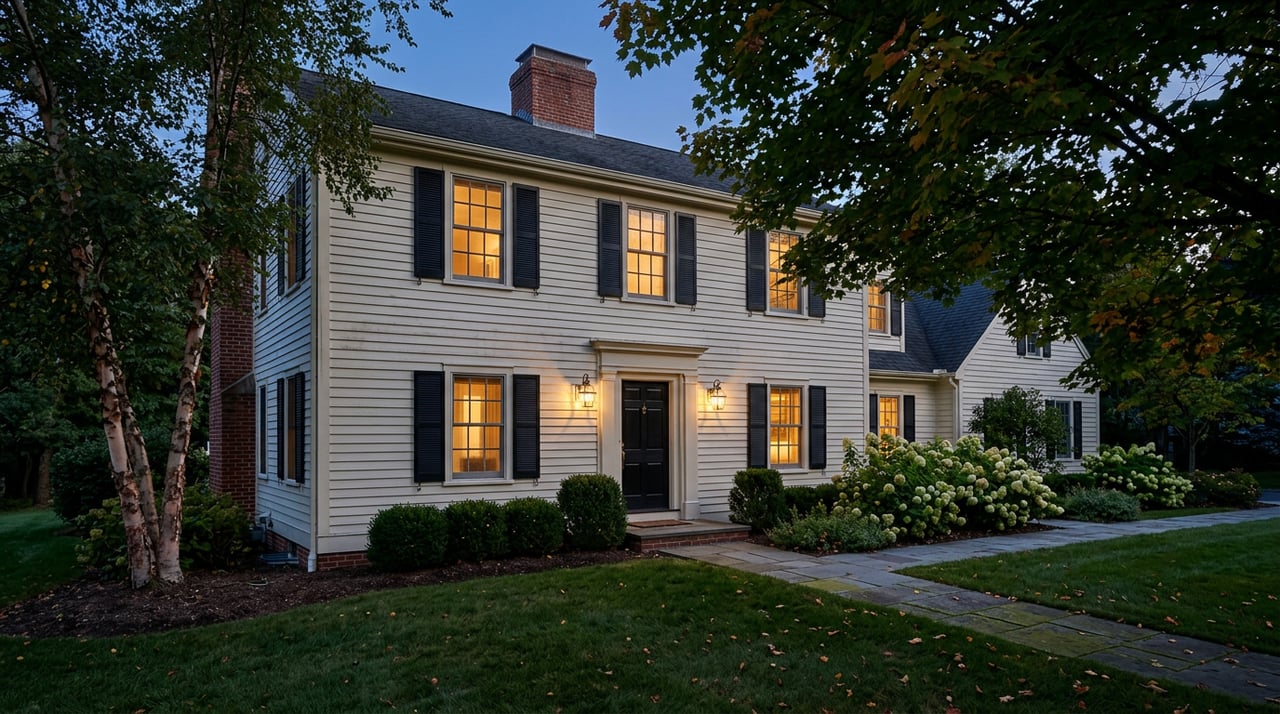
If your priority is privacy, more land, and more control over the property, a single-family home may feel like the better long-term fit. You are generally making more decisions yourself, especially if there is no HOA involved. That can be a major benefit if you value flexibility around landscaping, exterior work, or future renovations.
In Newton, many buyers are drawn to detached homes for exactly that reason. The village pattern creates plenty of contrast from one area to another, so some buyers focus less on being near the busiest village centers and more on yard space, separation from neighbors, and lot characteristics.
The single-family market is also a major force locally. In calendar year 2024, Newton recorded 551 single-family sales at a median sale price of $1,750,000. Through September 2025, that median had risen to $1,850,000, underscoring how important this segment remains.
More control also means more responsibility. Newton’s older housing stock makes this a real consideration, not just a theoretical one. When more than half of the city’s units were built before 1939, buyers need to look closely at roofs, windows, heating systems, exterior surfaces, and other major capital items.
That does not mean older homes are a problem. It simply means the true cost of ownership may include more upkeep, more planning, and larger repair cycles over time. For some buyers, that tradeoff is worth it. For others, it can become a source of stress.
One of the most important truths about Newton real estate is that location can outweigh property type. Because village centers vary so much in feel and pricing, the best condo for you may be in a different part of Newton than the best single-family option.
For buyers who want to walk to transit, cafés, or errands, the comparison often starts in or near village centers such as Newton Centre, Newtonville, Nonantum, or West Newton. These areas reflect the city’s mix of residential and commercial activity and can be a natural place to begin your search if convenience matters most.
For buyers who want more separation, a larger yard, or a quieter residential setting, detached homes farther from the busiest nodes may offer a better match. Neither path is inherently better. The right choice depends on how you want your daily life to feel.
A lower purchase price does not always mean a lower cost of ownership. In Newton, condos often start with a lower assessed value and lower property taxes, but HOA dues can materially change the monthly picture. Those dues may range from a few hundred dollars to more than $1,000 a month depending on the property.
Single-family homes often have higher taxes and a higher entry price, but no monthly association dues. Instead, you may need to budget for repairs and maintenance yourself. The most useful comparison is not condo versus house in the abstract. It is the all-in monthly cost of each option.
When comparing properties, it helps to line up:
That side-by-side view can make the decision much clearer.
A condo may fit you best if you want simpler upkeep, easier access to village amenities, and a more lock-and-leave lifestyle. It can also be a practical choice if you want to stay in Newton while keeping your purchase price and tax exposure lower than a typical detached home.
A single-family home may fit you best if you value privacy, outdoor space, and direct control over the property. It can also make sense if you are thinking longer term about land, renovation potential, and how a specific village location may shape future value.
In Newton, there is rarely a one-size-fits-all answer. The smartest move is to weigh not just price, but also village fit, commute patterns, upkeep tolerance, and the kind of ownership experience you actually want.
If you are weighing a condo against a single-family home in Newton, Beyond Boston Properties can help you compare the numbers, the villages, and the lifestyle tradeoffs with clear, local guidance.
Stay up to date on the latest real estate trends.
Contact us today to discover how the power of three can elevate your home buying and selling experience in the towns and communities of Greater Boston.