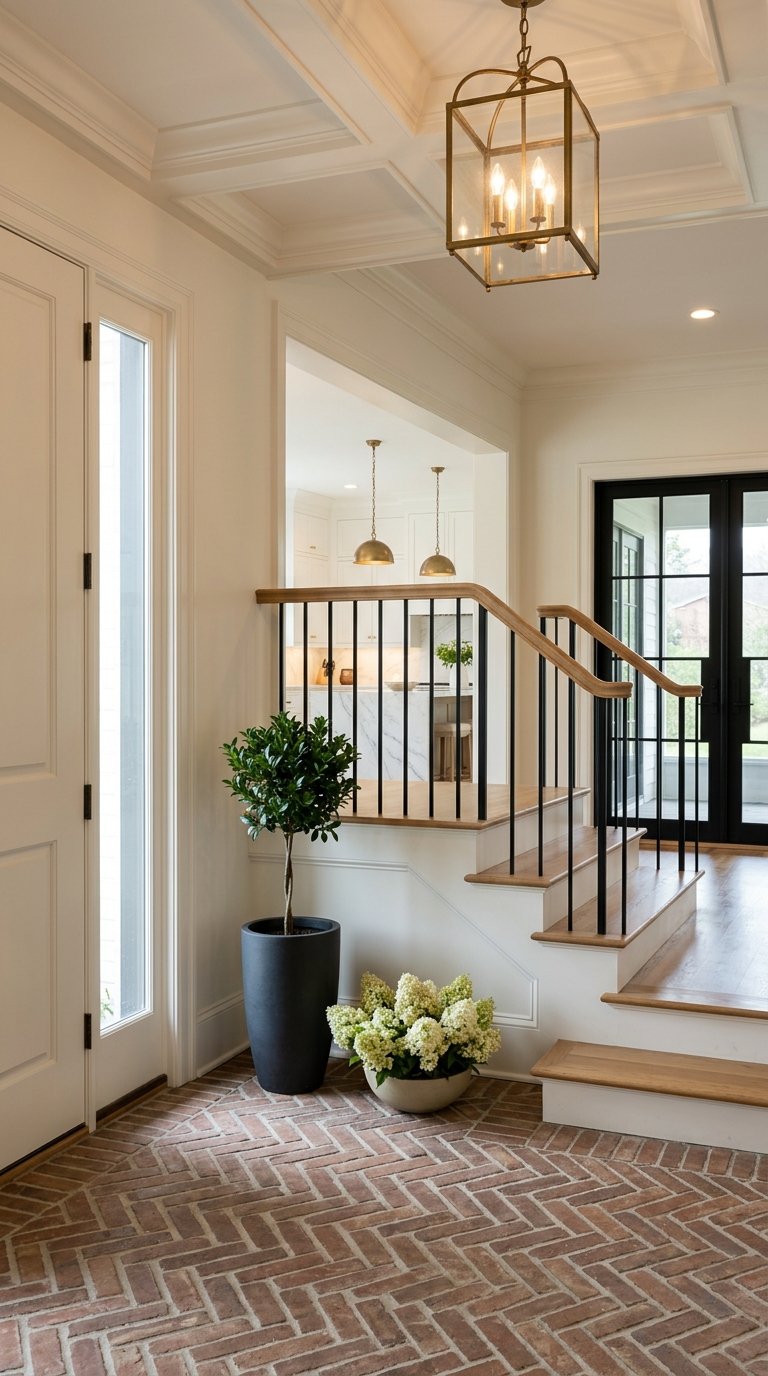
Weston New Construction Or Classic Homes? How To Choose
June 25, 2026
June 25, 2026
If you are torn between a brand-new home and a classic property in Weston, you are not alone. In a market where homes are expensive, supply is limited, and architectural character matters, the right choice often comes down to how you want to live day to day. This guide will help you compare classic Weston homes and new construction so you can make a smart, confident decision. Let’s dive in.
Weston is a high-value, owner-occupied market with a strong single-family focus. Census QuickFacts reports an owner-occupied housing rate of 87.5% and a median owner-occupied home value of $1.694 million for 2020 through 2024.
The town’s housing stock is also notably older. Weston’s 2021 Housing Production Plan found that 89% of occupied homes were single-family, 86.5% were owner-occupied, 74% were built before 1980, and only 3% were built in 2010 or later. That helps explain why buyers here often choose between a classic older home and a limited number of newer replacement or custom properties.
Market conditions remain competitive. Redfin reports a median sale price of $2.7 million over the three months ending May 2026, with homes selling in 24 days at 97.4% of list price. In a market like this, fit, condition, and lot quality can matter just as much as style.
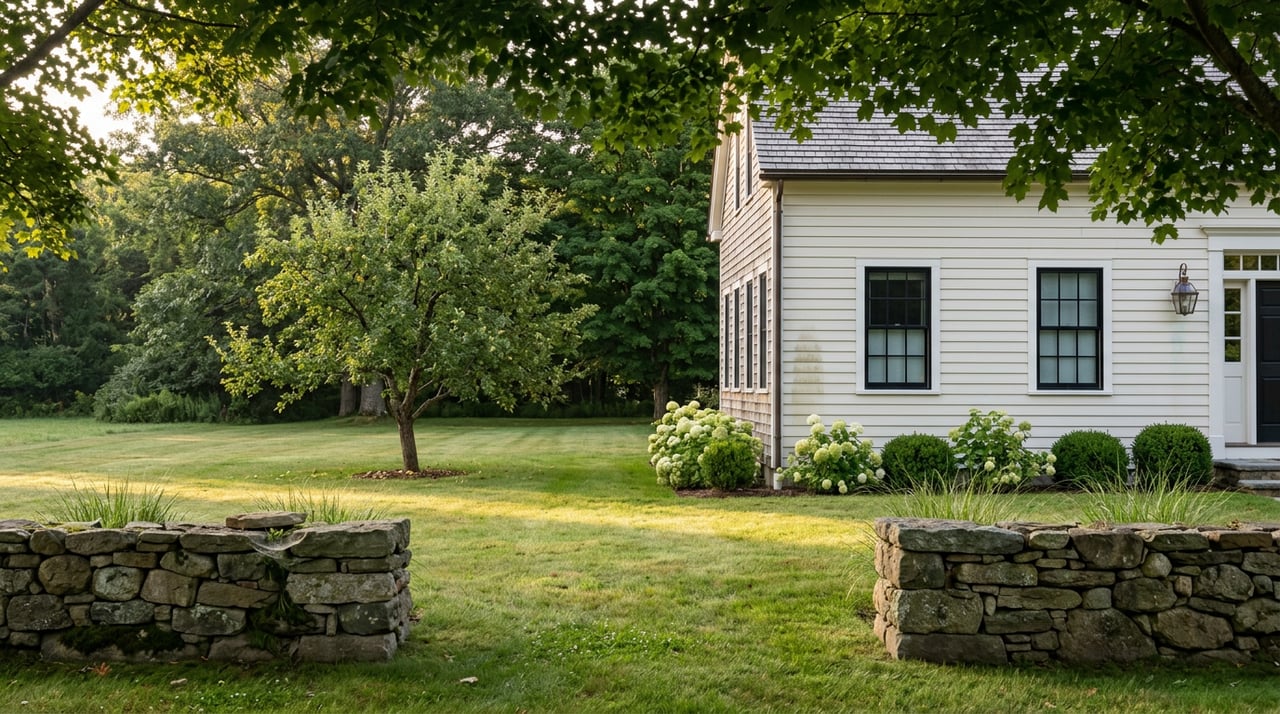
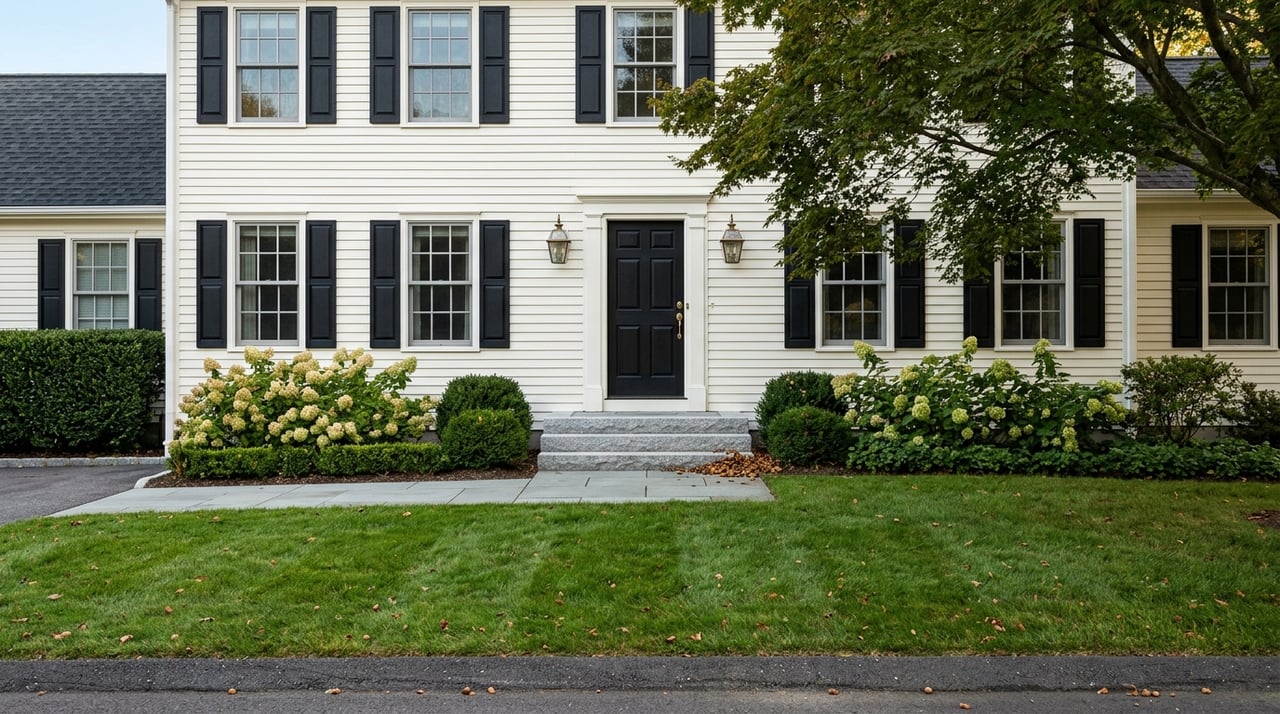
Classic Weston homes appeal to buyers who value architectural character and an established setting. The town’s architectural mix includes Colonial, Federal, Cape Cod, Tudor, Shingle Style, and Colonial Revival homes, giving buyers a wide range of traditional styles to consider.
Many of these homes sit in documented historic areas where the streetscape, scale, and materials help create a distinct sense of place. For example, the Irving Road Area includes Colonial Revival homes built from 1930 to 1942, often on lots under one acre and averaging around a half acre. The Legion Road Area includes Colonial Revival and Cape homes from roughly the same era, often on lots around one acre.
That means a classic Weston home does not always mean a large estate parcel. In some cases, it means a well-established neighborhood identity, mature landscaping, and a home with proportions and details that are difficult to recreate.
If you are drawn to older homes, the advantages are often clear:
For many buyers, these qualities create an emotional connection that newer construction cannot easily match. If you care about original scale, materials, and a lived-in sense of place, a classic home may feel like the right fit.
Older homes can also come with more maintenance and renovation planning. Weston’s Housing Production Plan notes that older structures may lack heating and energy efficiencies and may not be code compliant.
Lead paint is another important factor. Massachusetts law requires lead-risk notification for the sale or rental of homes built before 1978, and homes where children under age 6 live must be made lead-safe. If you are considering an older property, it is wise to factor potential updates into both your budget and your timeline.
If you love a classic home, it is important to understand Weston’s local review process. According to the Weston Building Department, properties built before 1945 that are on the Historic Resource Inventory or shown on the Historic Areas map are subject to Historical Commission review for partial demolition, exterior repairs and remodeling, or total demolition.
Weston also has one Local Historic District on Crescent Street. In that district, exterior changes are reviewed by the district commission. This does not mean you should avoid older homes, but it does mean you should understand the approval path before planning major exterior work.
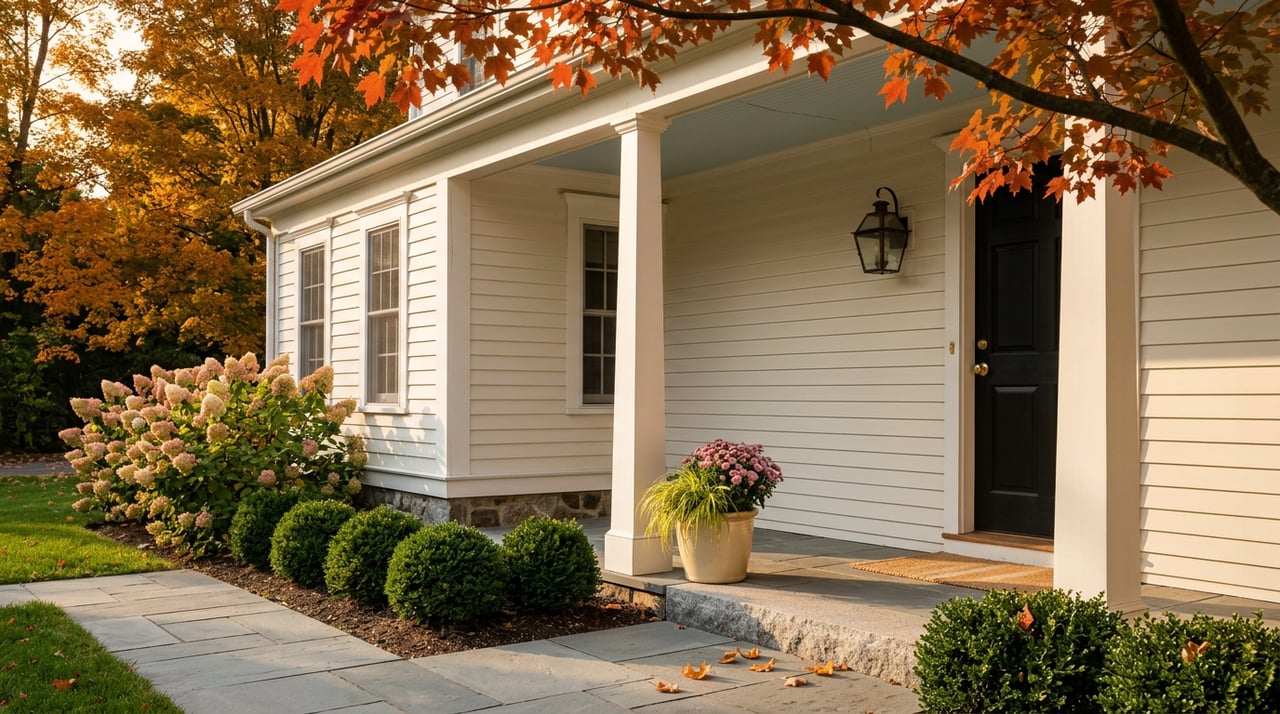
New construction in Weston is different from what you might see in a large subdivision market. Because of zoning, lot requirements, and permitting rules, new homes here are typically custom builds, replacement homes, or small infill opportunities rather than tract-style development.
The town’s zoning requires large lot areas, significant frontage, and meaningful setbacks in residential districts. Minimum lot size ranges from 20,000 to 60,000 square feet, with frontage requirements from 150 to 250 feet. These standards shape both what can be built and how often new opportunities come to market.
For many buyers, new construction offers a straightforward appeal. A newer home often starts with a newer building envelope and a layout aligned with current preferences.
That can mean a more predictable short-term maintenance profile compared with older housing stock. It can also appeal to buyers who want a home that feels move-in ready without planning for immediate upgrades.
New construction in Weston comes with town-specific requirements that buyers should understand. The Building Department states that every property in Weston is served by a private septic system, and new construction and additions require separate permits and appointments through land-use and health departments.
Weston’s site-plan guidelines also encourage preservation of mature trees and buffers, careful placement of septic and drainage systems, and the use of traditional materials such as cedar shingle and wood clapboard. In practice, that means new homes are often expected to fit their setting rather than stand apart from it.
In Weston, the lot is a major part of the decision. Whether you buy a classic home or new construction, the way the house sits on the land can affect privacy, function, and future appeal.
Because development has been limited and single-family housing dominates, buyers often pay close attention to how well a property uses its site. In this market, a thoughtful house-lot relationship can matter as much as the age of the home.
For that reason, style alone is rarely the whole story. A classic home with strong condition and a well-used lot may compete very well with newer inventory, while a new home that feels out of step with its site may not carry the same appeal.
The best choice usually comes down to your priorities. If you know what matters most to you, the decision becomes much clearer.
A classic Weston home may be the better fit if you want:
This path can work especially well if you are comfortable planning for updates related to energy performance, systems, or code needs.
New construction may be the better fit if you want:
This option can be especially appealing if you are comfortable with the premium that often comes with scarce land and limited new supply in Weston.
If resale is on your mind, Weston’s market data suggests that execution matters. With a median sale price of $2.7 million, a 24-day median market time, and homes selling at 97.4% of list price, buyers are clearly responding to well-positioned properties.
That is why condition, architectural fit, and lot quality often matter at least as much as whether the home is brand new or decades old. In a town where development has long been limited, buyers tend to reward homes that feel thoughtfully done and well suited to their setting.
There is no one-size-fits-all answer in Weston. A classic home can offer warmth, character, and an established sense of place, while new construction can deliver a fresher layout and a more predictable maintenance outlook.
The key is to look beyond the label. When you compare homes through the lens of lot quality, condition, review requirements, and long-term fit, you are much more likely to choose a property that works for both your lifestyle and your investment.
If you are weighing classic Weston charm against the appeal of newer construction, Beyond Boston Properties can help you evaluate the tradeoffs with clear local insight and data-backed guidance.
Stay up to date on the latest real estate trends.
Contact us today to discover how the power of three can elevate your home buying and selling experience in the towns and communities of Greater Boston.