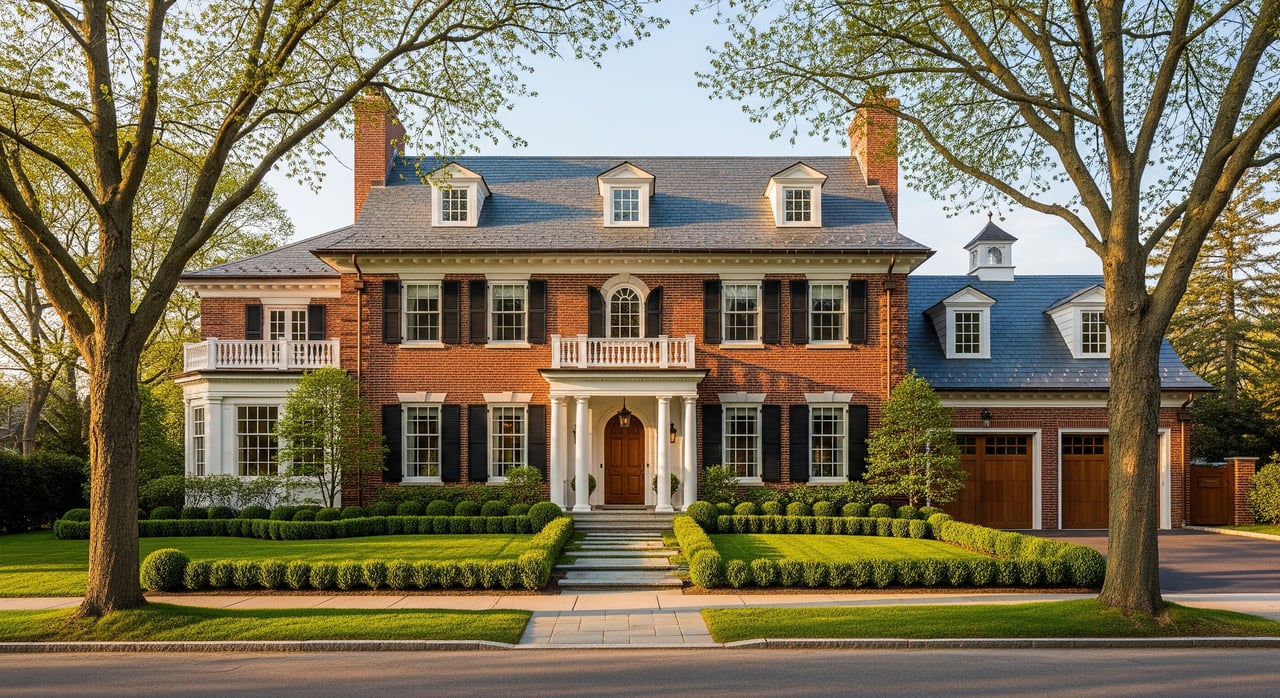
What the Wellesley MA Housing Market Means for You
February 5, 2026
February 5, 2026
Thinking about a move in Wellesley but unsure how the market will treat you? You’re not alone. Low inventory, shifting mortgage rates, and school-year timing make every decision feel high stakes. In this guide, you’ll learn how to read the key signals, what they mean for pricing and timing, and the exact steps to sell or trade up with confidence. Let’s dive in.
Wellesley remains a high-demand suburb thanks to its schools, town center, and commuter access. Inventory for well‑priced single‑family homes often runs tight, so small shifts in supply or rates can change your strategy quickly.
Start with a segmented CMA that includes recent closed sales, active competitors, and pending listings in your exact price band and neighborhood. If similar homes are selling over asking, a slightly conservative list price can create healthy competition. If ratios are around or below 100 percent, price near the most relevant comps to avoid long DOM and reductions.
Spring brings the largest buyer pool, especially for families planning a summer move. That said, tight inventory can create opportunity year‑round for well‑prepared homes. If you target a school‑year buyer, plan to close by July or August.
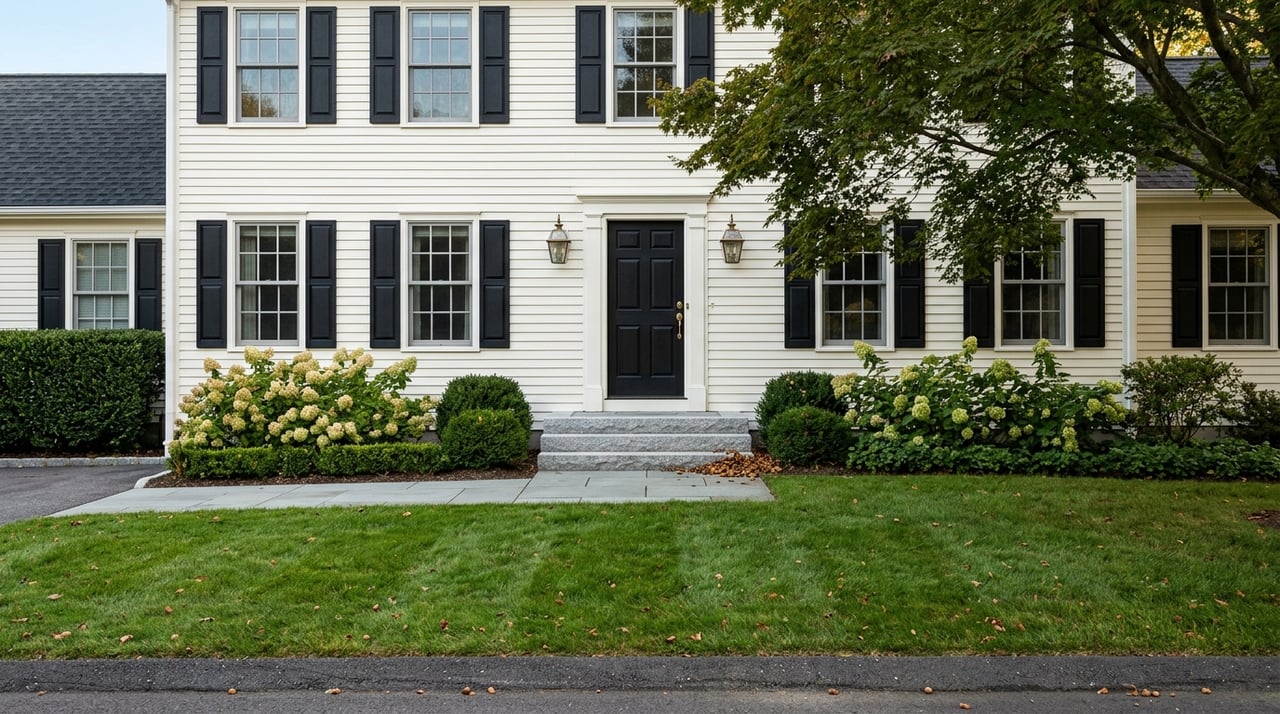
Focus on high‑ROI updates: curb appeal, fresh paint, lighting, simple kitchen and bath refreshes, and full staging. Use professional photos and clear floor plans. Consider a pre‑listing inspection and straightforward disclosures to reduce buyer uncertainty.
In competitive segments, evaluate offers based on net proceeds and certainty. Strong pre‑approvals, larger earnest money, and fewer or shorter contingencies improve reliability. Flexible closing or a short rentback can boost your net if it solves buyer timing.
If you miss early momentum in the first 7 to 14 days, reassess. Small price moves, improved staging, or new marketing can reset attention. If you need speed, consider widening outreach to nearby buyer pools or re‑targeting your price band.
Secure full mortgage pre‑approval, not just pre‑qualification. Understand lock periods and possible float‑down options. Rate changes can affect buying power quickly, so model different rate scenarios before you write.
When a micro‑market favors sellers, consider an escalation clause and clean terms. Shorten your inspection window and focus on material issues, while keeping appropriate protections. Waiving contingencies carries risk, so weigh options carefully and consider pre‑inspections where feasible.
If bidding pushes price above likely appraisal, decide in advance how much you can cover in cash. You can set a cap or use an appraisal gap clause. Pair this with a strong down payment and clear proof of funds.
Line up bridge financing, a HELOC, or a carefully timed list‑then‑buy sequence. If you are selling first, a rentback from your buyer can let you close on the new home without double moves. Sale contingencies usually weaken your offer in hot segments.
Bigger earnest deposits can signal strength, but align with local norms. Keep inspection and financing timelines tight while retaining the right to address major defects or value issues.
Spring, from March through June, is often the busiest window for both new listings and active buyers. Fall and winter bring fewer listings, but there is also less competition from other buyers, which can create opportunity. If your likely buyer is a family focused on schools, planning for a summer closing keeps you in step with demand.
Wellesley typically commands a premium over many Metrowest neighbors due to its schools, town character, and Boston access. Weston and Newton are often in a similar top tier on price, while towns like Framingham and parts of Natick tend to offer more entry points and more new construction. Wellesley’s single‑family stock skews toward renovated older homes and boutique infill rather than large developments.
You do not have to navigate this alone. If you want boutique, data‑driven guidance backed by deep local knowledge, connect with the Power of Three at Beyond Boston Properties to Request a Personalized Home Valuation.
Stay up to date on the latest real estate trends.



Contact us today to discover how the power of three can elevate your home buying and selling experience in the towns and communities of Greater Boston.