How To Prepare Your Wellesley Home For A Top-Of-Market Sale
June 4, 2026
June 4, 2026
If you are thinking about selling in Wellesley, preparation can have a real impact on your result. In a market where homes can go pending quickly and buyers are comparing seven-figure properties side by side, small details matter. The good news is that you do not need to renovate everything to compete well. With the right plan, you can focus on the updates that strengthen first impressions, support your asking price, and help your home shine online. Let’s dive in.
Wellesley remains a premium and competitive market, but that does not mean buyers overlook condition. April 2026 market data from Redfin shows a median sale price of $1,836,552 and a median of 19 days on market. Zillow’s April 30, 2026 update puts average home value at $2,047,618, with homes going pending in about 6 days, while Realtor.com’s March 2026 data shows a median listing price of $2,247,500, a 99% sale-to-list ratio, and 19 days on market.
These figures should be read as a range because each source measures the market differently. Still, the takeaway is clear: buyers in Wellesley are active, informed, and selective. They expect a home to feel well cared for, visually appealing, and ready to photograph beautifully.
Wellesley also offers buyers practical lifestyle advantages that often shape search decisions. Wellesley Public Schools serves an integrated preschool program, six elementary schools, Wellesley Middle School, and Wellesley High School. The town also offers strong regional access through three commuter rail stations on the Worcester/Framingham line and nearby MBTA Green Line connections.
One of the biggest mistakes sellers make is starting with cosmetic ideas before handling the basics. A better approach is to move in a clear sequence: declutter, repair, update, then stage and photograph. That order keeps your budget focused and avoids styling around issues that still need attention.
The National Association of Realtors defines staging broadly to include cleaning, decluttering, repairing, depersonalizing, and updating the home. In its staging survey, 50% of sellers’ agents said they did not stage homes before listing but did recommend that sellers declutter or fix property faults, while 23% staged all sellers’ homes. That supports a practical truth for sellers: your first wins usually come from simplifying the home and fixing visible problems.
If you want a smoother launch, aim to prepare your home over several weeks instead of cramming everything into the final few days. Based on staging guidance and seller prep recommendations in the research, this is a practical timeline for Wellesley sellers:
This kind of schedule helps you make thoughtful choices instead of rushed ones. It also gives your marketing materials a better chance to reflect the home at its best.
Decluttering is often the highest-return step because it changes how your home feels without requiring major construction. Buyers want to understand the space, the flow, and the storage. Too much furniture, busy surfaces, and personal items can make even a large home feel smaller and more distracting.
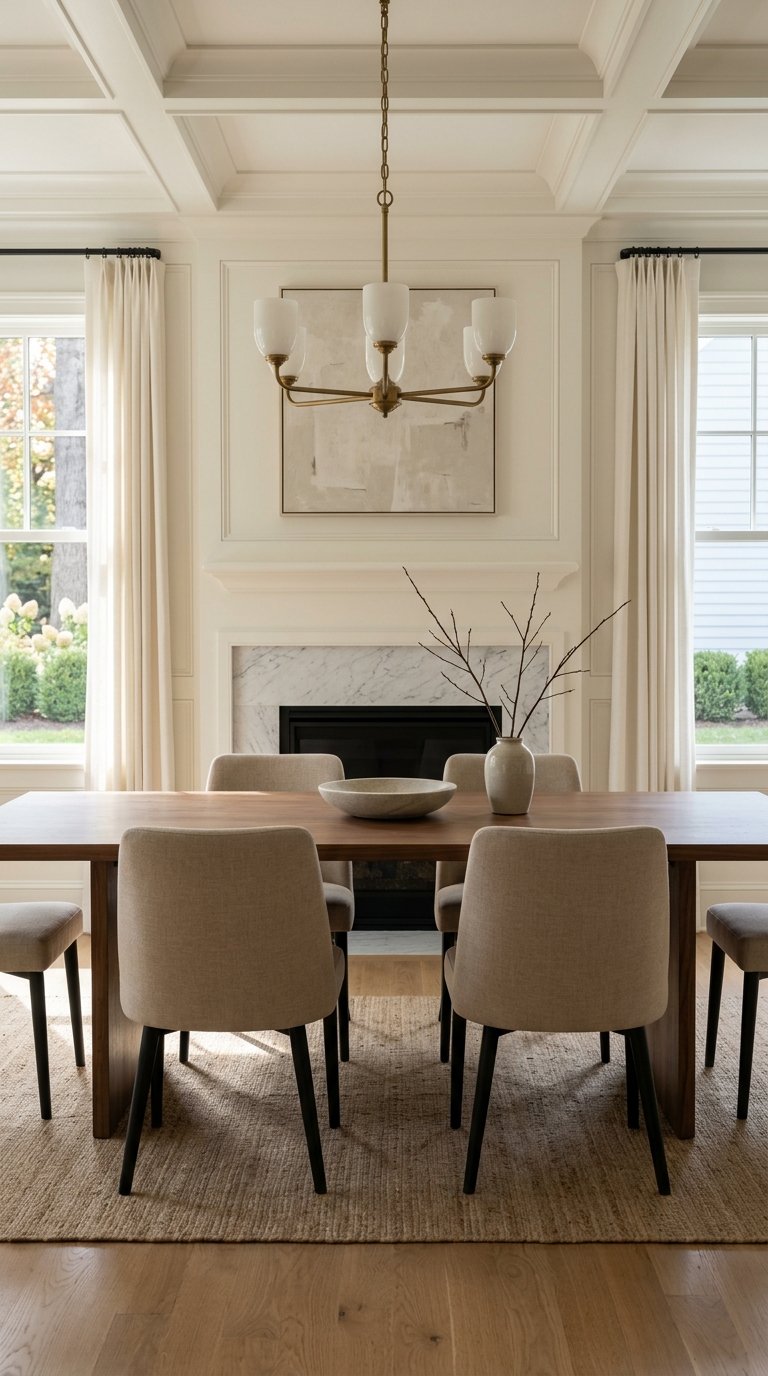
Start with the rooms that shape first impressions. Focus on the living room, kitchen, primary bedroom, and dining room first, since those are the spaces most commonly staged and most likely to influence a buyer’s overall reaction. Clear countertops, reduce extra furniture, and remove highly personal decor so buyers can focus on the home itself.
Depersonalizing matters too. Family photos, collections, bold wall art, and room-specific hobby setups can pull attention away from the home’s architecture and layout. In a market like Wellesley, where many buyers are comparing several polished listings at once, a calm and edited look usually performs better.
Once the house is simplified, turn to repairs. Buyers notice the small issues that suggest deferred maintenance, even in higher-end homes. A sticking door, chipped trim, cracked tile, loose hardware, or an outdated light fixture can raise questions that go beyond the item itself.
Redfin’s seller guidance recommends focusing on fixes that improve safety and functionality, along with small visual updates such as paint, fixtures, and lawn care. That is a useful lens for deciding where to spend. Prioritize anything that could interrupt a showing, stand out in photos, or trigger concern during inspection.
A pre-inspection can be a smart move if you want fewer surprises later. It may help uncover issues before buyers do, which can reduce renegotiation risk and give you more control over timing and repairs. In a fast-moving market, that kind of preparation can also make your launch feel more organized and confident.
A pre-inspection does not mean you need to fix everything. It means you can make informed decisions about what to address, what to price around, and how to present the home honestly and strategically.
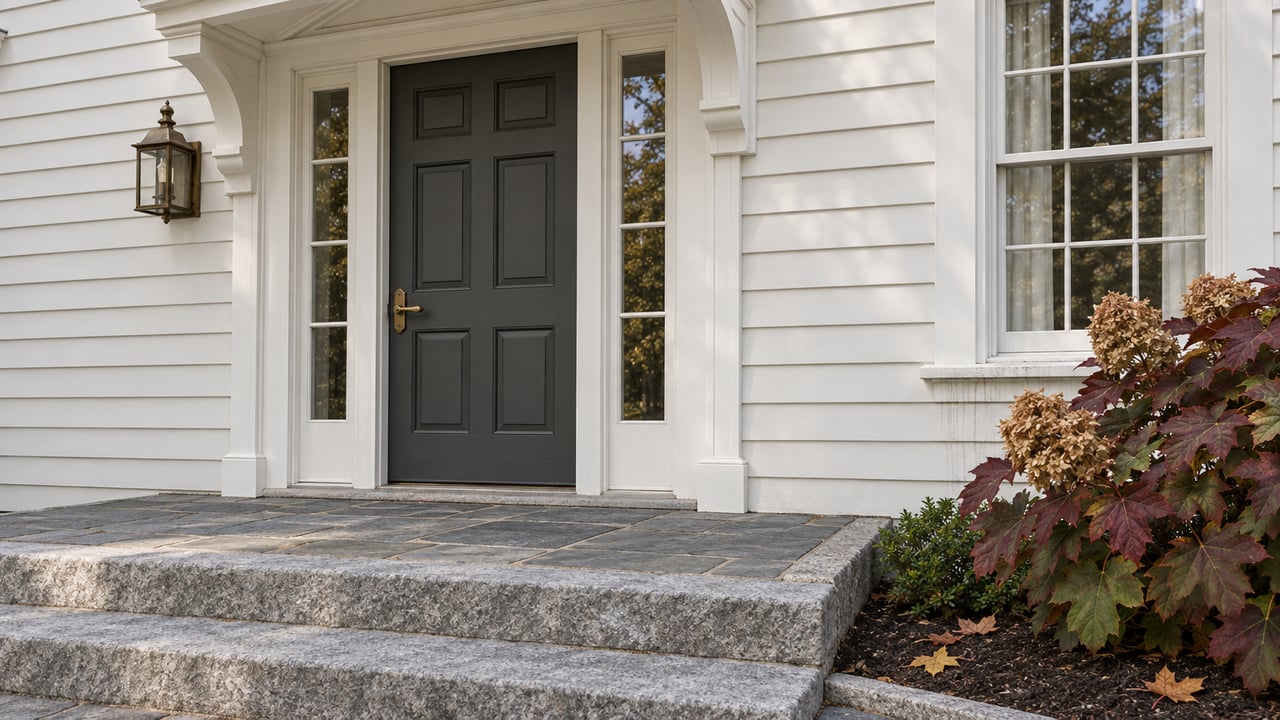
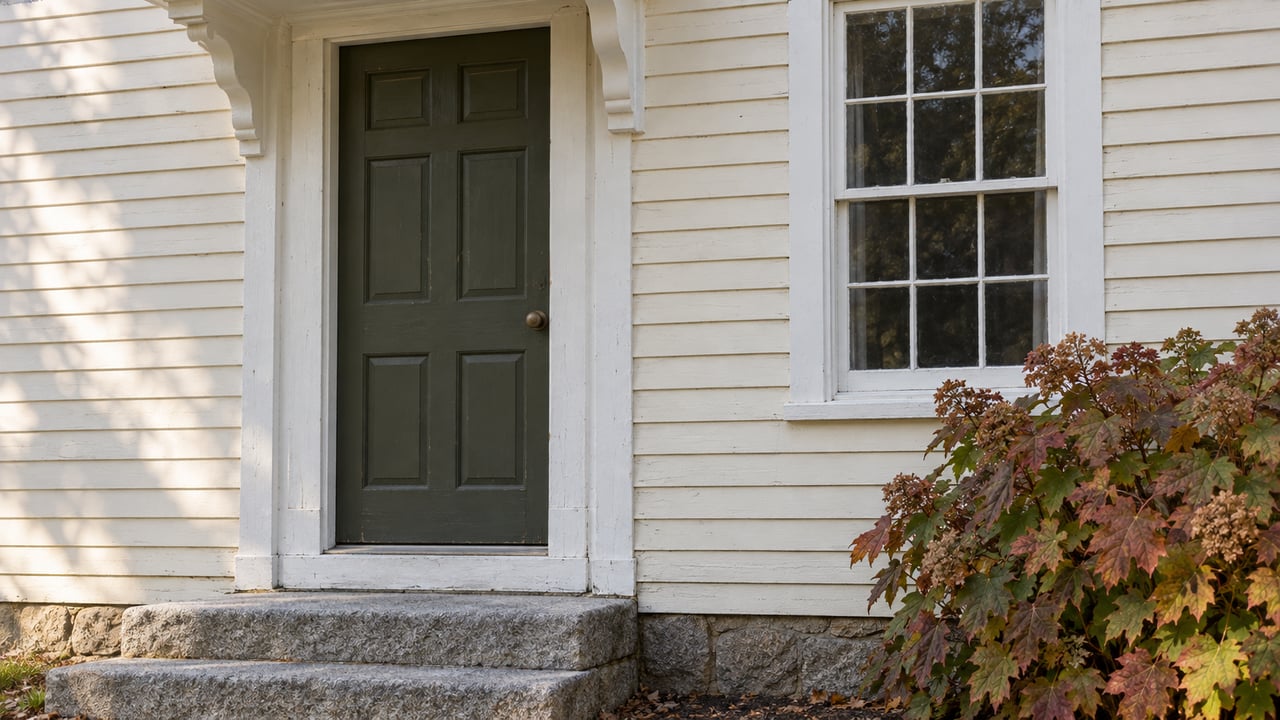
Not every project deserves your money before a sale. Recent Cost vs. Value data from Zonda shows that exterior replacement projects consistently outperform large discretionary remodels in resale return. The 2025 report ranks garage door replacement at 267.7% cost recouped, steel entry door replacement at 216.4%, manufactured stone veneer at 207.9%, fiber-cement siding replacement at 113.7%, and a minor kitchen remodel at 112.9%.
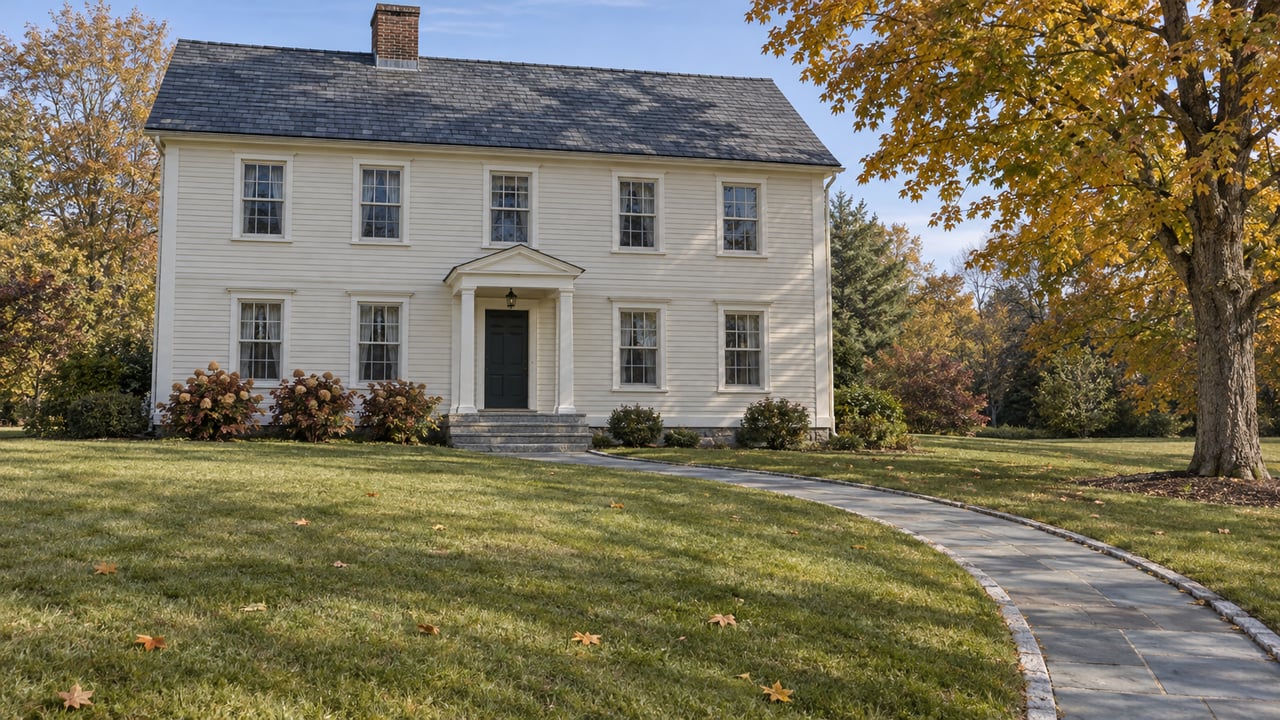
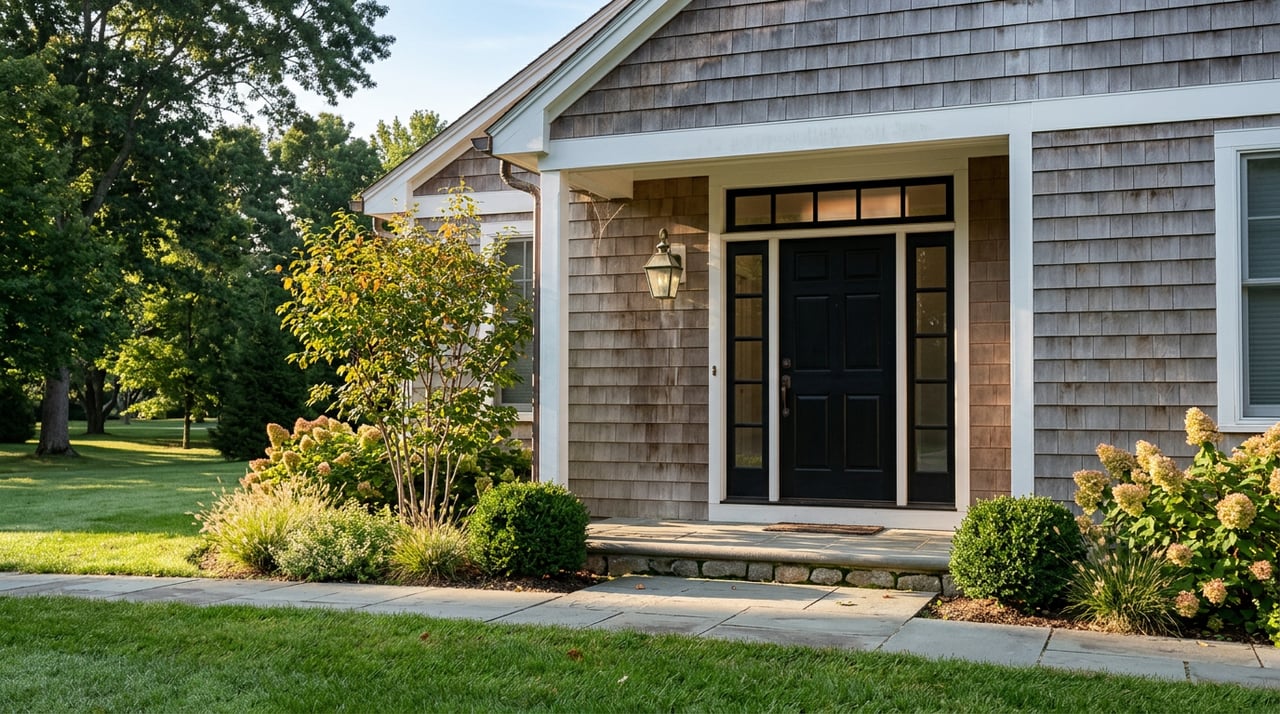
Zonda also notes that 8 of the top 10 projects are exterior replacements. That matters because it reinforces what many Wellesley sellers already sense: the front of the home does a lot of the heavy lifting. Buyers start forming opinions before they walk through the door.
For many sellers, the most defensible spending is concentrated on curb appeal and key first-impression spaces. Consider improvements like:
The goal is not to make your home look brand new at any cost. The goal is to make it feel well maintained, current, and easy for a buyer to value confidently.
A full renovation before listing is often harder to justify. Zonda’s report notes that large interior remodels are more subjective and often do not deliver the same resale return as exterior improvements. Unless a space is functionally broken, a lighter refresh is usually the more practical path.
That can be especially true in Wellesley, where buyers at different price points may have their own design preferences. A clean, polished, move-in-ready presentation often gives you a better balance of cost control and market appeal than a heavy remodel with highly specific finishes.
Staging should support how buyers experience the home, both in person and online. According to the National Association of Realtors, 20% of buyers’ agents said staging increased the dollar value offered by 1% to 5%, and about 80% said staging helps clients better visualize living in a home. That is meaningful in any market, especially one where small percentage changes can translate into significant dollars.
The same report found that the most commonly staged rooms are the living room at 91%, the kitchen at 81%, the primary bedroom at 81%, and the dining room at 69%. Bathrooms are staged less often, but they still matter if they are prominent or recently updated. This is a helpful reminder that you do not need to style every inch equally.
If you want the strongest return on effort, start with the areas that shape the emotional tone of the home:
For vacant homes, virtual staging can also help buyers understand layout and room use. What matters most is clarity. Buyers should be able to see how the home lives, not get distracted by too many decorative details.
In a high-end market, your first showing often happens on a screen. That means photography is not the final step after prep. It is one of the reasons to prep carefully in the first place. Redfin recommends prioritizing screen appeal with professional photos, natural light, and 3D tours, and it advises taking photos after updates are complete.
This is where sellers sometimes leave money on the table. They finish repairs but rush the shoot, or they schedule photos before landscaping, paint touch-ups, and staging are complete. In Wellesley, where buyers may compare homes across a wide price range within town, polished digital presentation can influence whether a buyer books a showing quickly or scrolls past.
Realtor.com neighborhood data also shows notable price variation within Wellesley, from about $1.55M in Linden Square to about $4.12M in Cliff Estates. That spread makes positioning even more important. Strong photography helps your home compete more effectively within its segment and condition tier.
Once your home is ready, the final step is consistency. Keep the home clean, bright, and easy to show. Open blinds when appropriate, limit countertop clutter, and have a simple plan for daily resets.
Launch week is not the time to keep tinkering with unfinished projects. By then, your focus should be on presenting the home consistently and making it easy for buyers to experience the best version of the property. A calm, polished rollout supports better marketing and a stronger first wave of interest.
When you are preparing a Wellesley home for market, the best strategy is usually not the most expensive one. It is the most disciplined one: declutter first, repair what affects confidence, invest where buyers notice value, and make sure your home is fully ready before photos and showings begin. In a market this competitive, thoughtful preparation can help you protect pricing, attract stronger interest, and set the stage for a successful sale.
If you are considering a sale and want a tailored plan for your home, Beyond Boston Properties can help you evaluate which prep steps are worth doing, how to position your property in the current Wellesley market, and how to bring it to market with polished, high-touch presentation.
Stay up to date on the latest real estate trends.
Contact us today to discover how the power of three can elevate your home buying and selling experience in the towns and communities of Greater Boston.