Buying a Home in Lincoln MA: Septic, Acreage & Rules
April 23, 2026
April 23, 2026
Wondering why buying in Lincoln feels different from buying in many nearby suburbs? It often comes down to what makes the town so appealing in the first place: larger lots, meaningful conservation protections, and infrastructure rules that can affect how you use a property. If you are considering a home here, understanding septic systems, acreage, and land-use constraints early can help you avoid surprises and make a more confident offer. Let’s dive in.
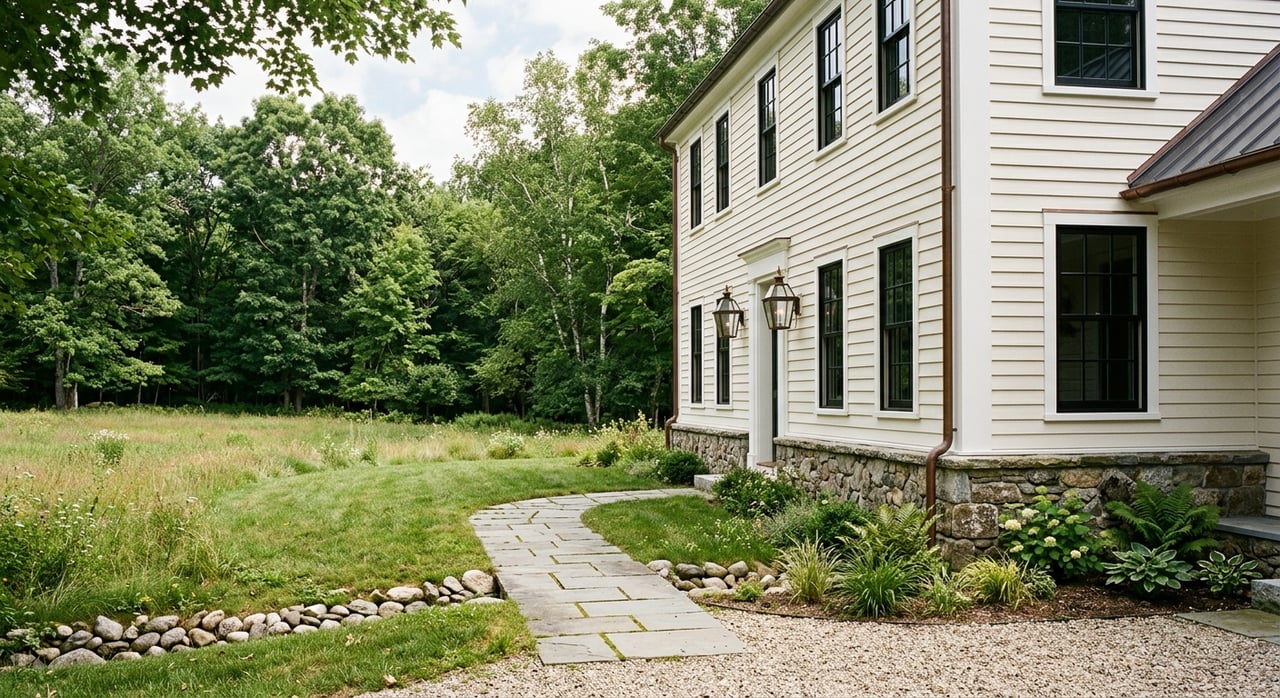
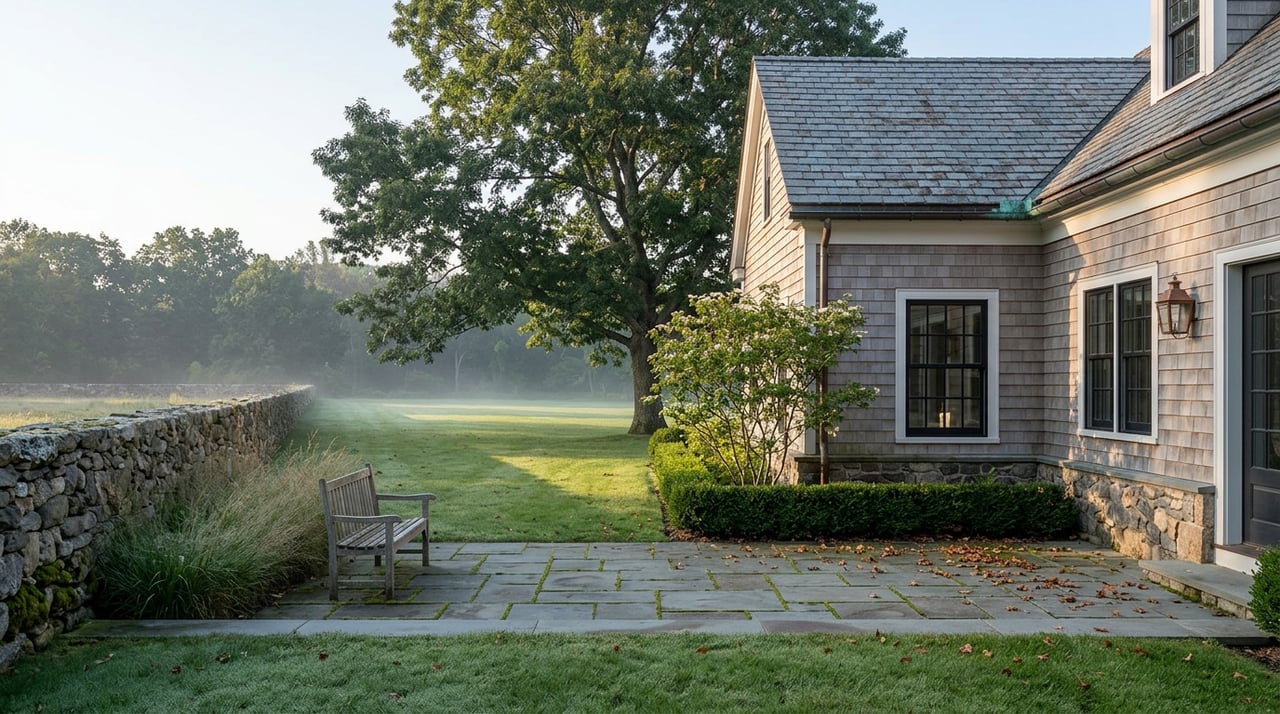
Lincoln’s residential pattern is intentionally low-density. The town’s schedule of dimensional requirements shows that the R-1 single-family district requires 80,000 square feet of lot area, while the R-3 and R-4 districts are 25-acre open-space and planned-community districts. That framework helps explain why homes in Lincoln often feel more spread out than in many neighboring towns.
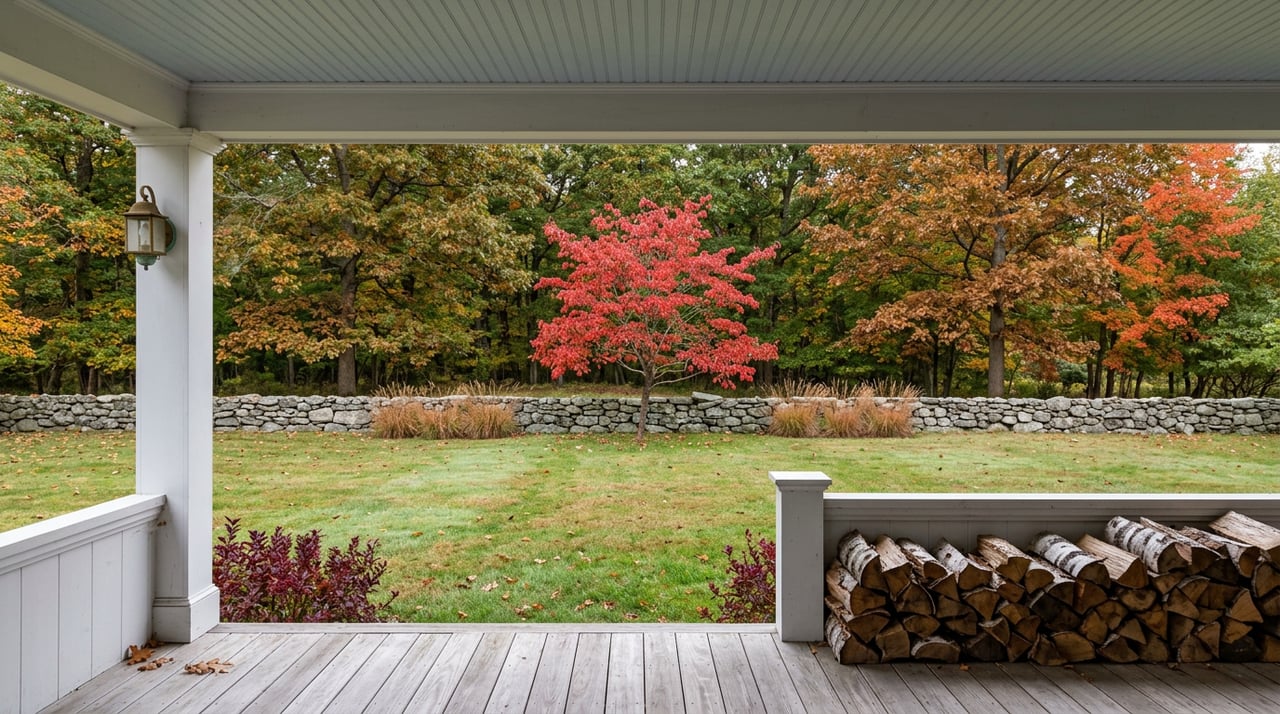
That sense of space is reinforced by real, long-term land protections. Lincoln’s Conservation Department says it stewards 1,600 acres of municipal conservation land, and the town’s open space planning notes that about 35% of Lincoln is protected by permanent conservation deeds or restrictions, with more than 80 miles of trails. For you as a buyer, that means the rural character is supported by policy and protected land, not just curb appeal.
Lincoln also places a strong emphasis on protecting its water resources. According to the town’s water sources protection information, Flint’s Pond, also known as Sandy Pond, is the primary year-round water supply, with Tower Road Well serving as a supplemental source. The town has also adopted watershed and aquifer protection rules that can affect how certain properties are used or improved.
One of the biggest practical differences in Lincoln is that the town does not have a municipal sewer system. The town’s septic guide states that homeowners are responsible for installing and maintaining a properly working septic system. Most residents and businesses are served by municipal drinking water, but some homes still use private wells.
If you are buying in Lincoln, septic due diligence should be near the top of your checklist. Massachusetts Title 5 septic guidance says septic systems should be inspected when a home is bought or sold. If the home has an innovative or alternative system, you should also review the inspection report, maintenance requirements, annual operating and energy costs, and maintenance history before signing a purchase-and-sale agreement.
The town recommends pumping a septic system every 3 to 5 years, using Lincoln-licensed contractors, and keeping maintenance records and receipts. It also notes that septic replacement can be expensive. In practical terms, if a system is failing or nearing the end of its life, you should treat that as a major budget item rather than a routine repair.
A larger lot can be a major reason buyers choose Lincoln, but acreage often brings more than mowing and landscaping. A property with more land may raise questions about septic capacity, wetlands, clearing limits, and water use. That is especially important if you are picturing future upgrades like a pool, addition, guest space, expanded driveway, or major outdoor improvements.
Water use is one area buyers sometimes overlook. Lincoln’s drought management plan states that seasonal nonessential outdoor watering can be restricted from May 1 through September 30 when supply or streamflow conditions trigger the plan. If you are considering a property with extensive lawn, irrigation, or landscape-heavy maintenance, that should be part of your ownership-cost planning.
In Lincoln, conservation review is not just a niche issue for unusual parcels. The town’s wetlands permitting rules say that any activity within the 100-year flood zone, within 100 feet of wetland resource areas, or within 200 feet of perennial streams must be reviewed by the Conservation Commission. That can affect what you are able to do after closing.
Before assuming a lot will support a certain project, it is smart to verify whether the property is affected by wetlands, buffer zones, watershed overlays, conservation restrictions, or deed limits. These issues can influence plans for additions, tree removal, grading, driveway expansion, and outdoor amenities. In a town where open space and water protection are central priorities, those reviews are an important part of the process.
Another piece of the Lincoln puzzle is non-conforming property status. The town’s Zoning Board of Appeals says many routine hearings involve non-conforming lots of 80,000 square feet or less. That means a home can be perfectly livable today while still requiring review and approvals for future changes.
If you are hoping to renovate or expand, timing matters too. According to the town’s Zoning Board of Appeals page, the approval process generally takes a minimum of three months from application to the filing of a written decision. For a buyer, that is a reminder to look beyond the current floor plan and ask how easy, or difficult, future improvements may be.
Lincoln offers commuter rail access, which is part of its appeal for buyers who want a more rural feel without losing a rail option into Boston. The town notes that Lincoln Station is an MBTA Commuter Rail stop on the Fitchburg Line. That keeps Lincoln connected to the North Station rail network.
Parking is another detail worth checking before you buy. The town’s MBTA parking information says resident-only commuter parking is available in the unpaved lot south of the tracks, while public parking at Lincoln Station is $5 per day except weekends and holidays, and there is no overnight parking. If rail commuting is part of your plan, these details can shape how convenient a location feels day to day.
When you are buying in Lincoln, the usual home search questions about price, layout, and location are only part of the picture. The town’s land-use structure means you should also look closely at the systems and restrictions tied to the property itself. Doing that homework before you make an offer can save time, money, and frustration later.
A strong pre-offer checklist may include:
For many buyers, this is where local guidance makes a real difference. Lincoln can be an exceptional place to buy, but it rewards careful due diligence and clear expectations. If you want help navigating the details of a Lincoln home search, the team at Beyond Boston Properties brings thoughtful, data-informed guidance to complex suburban purchases.
Stay up to date on the latest real estate trends.
Contact us today to discover how the power of three can elevate your home buying and selling experience in the towns and communities of Greater Boston.