Newton Or Wellesley? How To Choose Your Next Suburban Address

March 19, 2026

Torn between Newton’s village energy and Wellesley’s classic town feel? You are not alone. Both sit just west of Boston and both deliver strong schools, transit into the city, and a refined suburban lifestyle. In this guide, you will get a clear, side‑by‑side look at prices, taxes, schools, transit, housing styles, and how to make the right call for your next address. Let’s dive in.

Quick take: Newton vs. Wellesley

Newton is a larger “city of villages” with 13 distinct centers, a wide mix of housing types, and multiple MBTA Green Line and commuter‑rail access points. Wellesley is a smaller town with three main village centers, many large lots, and three commuter‑rail stations on the Framingham/Worcester Line.

  • Newton’s FY2026 residential tax rate is $9.69 per $1,000 of assessed value. You can confirm current rates on the city’s assessing page.
  • Wellesley’s FY2026 single rate for all property types is $10.17 per $1,000, with the town publishing a median assessed value and median residential tax bill in its Tax Rate and Levy History.

What homes cost

Price ranges and how to read them

Price medians swing with the mix of homes that sell each month. In Newton, recent snapshots show single‑family medians often in the mid to high seven figures, with village‑to‑village variation. Wellesley typically trades at a higher median price, but small monthly sales counts can make a given month look unusually high or low.

As one dated example, a direct MLS‑powered feed reported a Wellesley single‑family median near $2.1M in February 2026, while other months show different figures because of sample size. You can see the MLS‑feed context in this RealtiIntel snapshot. Use this as a signal, not a forever number.

What matters most for your budget:

  • Village and lot size drive large swings within each town.
  • Renovation level, energy systems, and layout updates carry meaningful premiums.
  • Low inventory can push competitive, well‑located listings higher.

Inventory and competition

Both towns often experience tight supply, with speed varying by price band and village. Estate‑scale properties in Wellesley can take longer to place, while well‑priced homes near Newton’s walkable village centers tend to move quickly. For timing and strategy, ask for a current village‑level MLS read on days on market and months of supply.

Property taxes at a glance

Property taxes shape your monthly payment just as much as mortgage terms. Rates are close, but assessed values differ between the towns, which is why comparing sample annual bills is useful.

Sample annual bills

  • Newton’s FY2026 residential rate is $9.69 per $1,000. The city’s FY2026 materials show a median assessed single‑family value of $1,503,500, which yields an estimated annual tax of about $14,569. See the rate on the assessing page and the median assessed value in the city’s FY2026 assessment summary.
  • Wellesley’s FY2026 single rate is $10.17 per $1,000. The town lists a median residential assessed value of $1,751,000 and a median residential tax bill of $17,808 in its Tax Rate and Levy History.

These examples show why the percentage difference in tax bills can be smaller than the difference in sale prices. Your bill depends on the tax rate multiplied by the assessed value.

What affects your bill

  • Assessments lag market value. FY2026 assessments reflect values as of January 1, 2025 in these communities, as noted on Newton’s assessing page.
  • You can review and appeal assessments during the local window if you believe a value is inaccurate.

Schools and education

District structure and signals

Both towns report strong outcomes by statewide measures. Newton Public Schools is a larger district with many elementary schools feeding into two comprehensive high schools, Newton North and Newton South. You can find the district’s annual report‑card links on the NPS report‑card landing page.

Wellesley Public Schools is smaller, with one high school and distinct elementary/middle feeder patterns. The district highlights recent MCAS performance and growth on its news page.

How to research a specific school

  • Confirm the current school assignment for any address you are considering.
  • Review each school’s DESE report‑card for enrollment, outcomes, and trends by grade and subgroup.
  • Ask for recent district updates on curriculum and recovery efforts, which can vary by grade and subject.

Commute and transit

Newton: frequent Green Line access

Newton benefits from multiple stops on the MBTA Green Line D branch, plus commuter‑rail and bus routes. D‑branch service is frequent at peak times and provides a one‑seat ride into core Boston neighborhoods. Read more about the branch’s service pattern on the Green Line D page.

Wellesley: faster commuter‑rail rides

Wellesley’s three stations on the Framingham/Worcester Line offer faster point‑to‑point trips into Back Bay and South Station, generally with fewer stops than the Green Line. Trains run on a schedule with less off‑peak frequency than a subway branch. Always test your door‑to‑door commute at your specific hour.

Housing stock and village life

Newton’s 13 villages

Newton officially recognizes 13 villages, each with a distinct center, housing mix, and price band. Some offer lively, walkable cores for daily errands; others read as quieter residential enclaves. Explore the village framework on the city’s villages page.

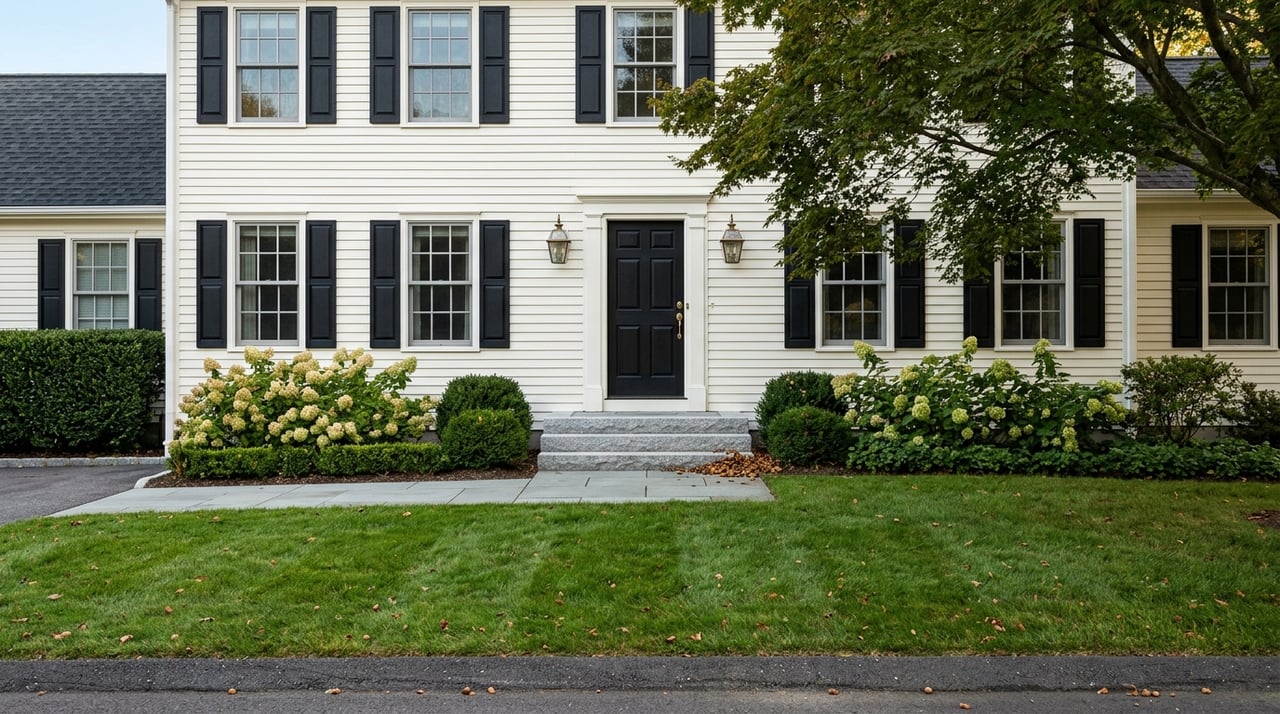
Architecture ranges from late‑19th‑ and early‑20th‑century styles to mid‑century homes and modern rebuilds. Lot sizes and walkability shift block by block, so expect local nuance.

Wellesley’s three centers

Wellesley’s primary nodes are Wellesley Square, Wellesley Hills, and Wellesley Farms. Larger lots and a strong single‑family presence are common, with condos and townhomes clustering near the Square. For a neighborhood‑by‑neighborhood feel, see this village guide from Beyond Boston Properties.

Which town fits your style

You may lean toward Newton if you want:

  • Multiple village centers and frequent Green Line access.
  • A larger menu of home types and lot sizes within one city.
  • Short, walkable errands in several different neighborhood hubs.

You may lean toward Wellesley if you want:

  • Larger lots and an estate‑home feel in many neighborhoods.
  • A smaller, cohesive town with three defined village centers.
  • Commuter‑rail speed into Boston on a set timetable.

A simple decision checklist

Use this quick list to move from browsing to clarity:

  • Get a village‑level MLS report for your short list in both towns. Ask for medians, price per square foot, days on market, and months of supply.
  • Request the current assessed value and latest property tax bill for any home you like. Apply the current rate from the municipal assessor to estimate your annual bill.
  • Test your commute at the exact hours you expect to travel. Compare Green Line frequency to commuter‑rail timing and reliability at those times.
  • Confirm school assignments for any address and review school‑level report‑card pages for recent trends.
  • Check zoning and permitted uses early if you plan to expand, add an accessory dwelling, or pursue other changes.

Ready to compare homes with confidence?

If you want a tailored, side‑by‑side plan for Newton and Wellesley, we are here to help. As a boutique team with deep local knowledge and Compass analytics, we will pull village‑level comps, model taxes and monthly costs, and map your commute against real listings. Connect with Beyond Boston Properties to Request a Personalized Home Valuation or to start a custom home search.

FAQs

How do Newton and Wellesley commute options differ?

  • Newton offers frequent MBTA Green Line D service and multiple village stops, while Wellesley provides faster, scheduled commuter‑rail trips into Back Bay and South Station. Test your route at your actual hours to see which pattern fits your day. See the Green Line D branch overview for service context.

How do property taxes compare between the two towns?

  • FY2026 rates are close, but assessed values differ. Newton’s residential rate is $9.69 per $1,000, and a median‑assessed single‑family produces about $14.6k annually. Wellesley’s single rate is $10.17, and the town lists a median residential bill of $17,808. Confirm specifics on Newton’s assessing page and Wellesley’s levy history.

Are Newton and Wellesley schools comparable in performance?

  • Both districts are widely viewed as high performing by statewide measures. Newton posts district and school report‑card links on its NPS report‑card page, and Wellesley summarizes recent MCAS results and growth on its district news page. Review school‑level pages for details.

What types of homes and lots are common in each town?

  • Newton offers a broad mix that spans Victorian, Colonial, Tudor, mid‑century, and newer rebuilds across 13 villages. Wellesley leans toward single‑family homes on larger lots, with condos and townhomes clustered near Wellesley Square. For Wellesley’s village profiles, see this local guide.

Why do median prices vary so much month to month?

  • Small sample sizes and the mix of what sells can swing the median, especially in Wellesley. A direct MLS‑powered snapshot placed Wellesley near $2.1M in Feb 2026, but that number shifts as different homes close. For accuracy, ask for a current, village‑level MLS report and read medians as ranges. See the RealtiIntel example for context.

Work With Us

Contact us today to discover how the power of three can elevate your home buying and selling experience in the towns and communities of Greater Boston.