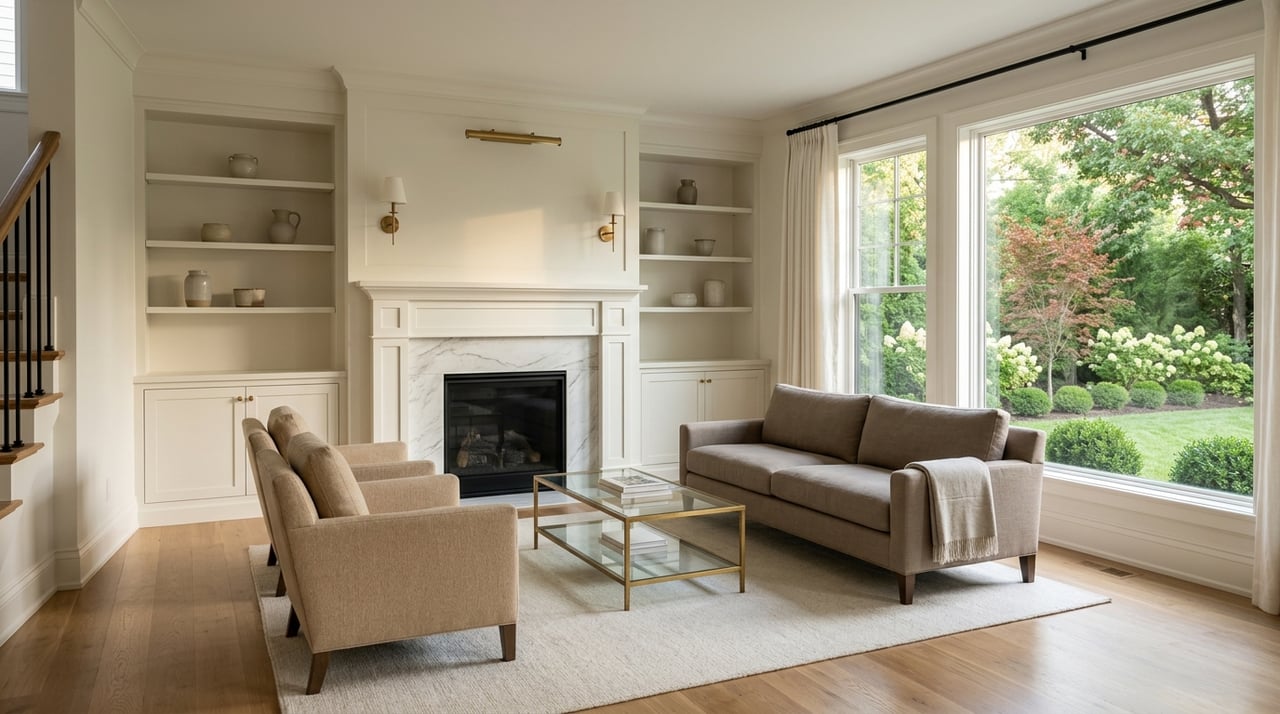
Sudbury MA Real Estate for Families: Is It a Fit?
May 7, 2026
May 7, 2026
Thinking about trading city convenience for more breathing room? If you are raising a family in Boston and feel squeezed on space, Sudbury is one of the towns that naturally comes up in the search. It offers the kind of larger-lot, detached-home living many buyers want, but it also comes with a higher price point and a more car-dependent daily routine. If you are weighing that tradeoff, this guide will help you understand where Sudbury fits and who it tends to suit best. Let’s dive in.
Sudbury is, at its core, a space-first suburb. According to the town’s current housing plan, residential districts generally require large minimum lot sizes, ranging from 40,000 square feet to 5 acres. Most of the town falls in Zone A, where the minimum lot size is 40,000 square feet, while a smaller Zone C requires 60,000 square feet minimums.
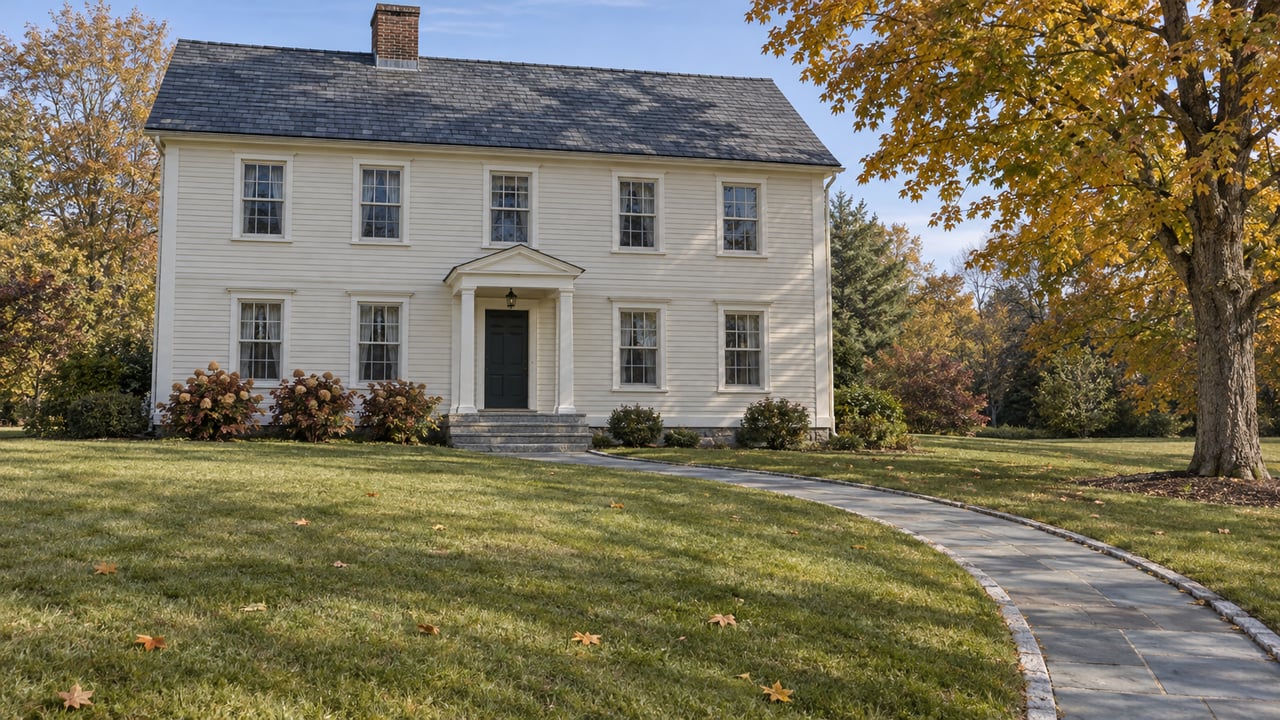
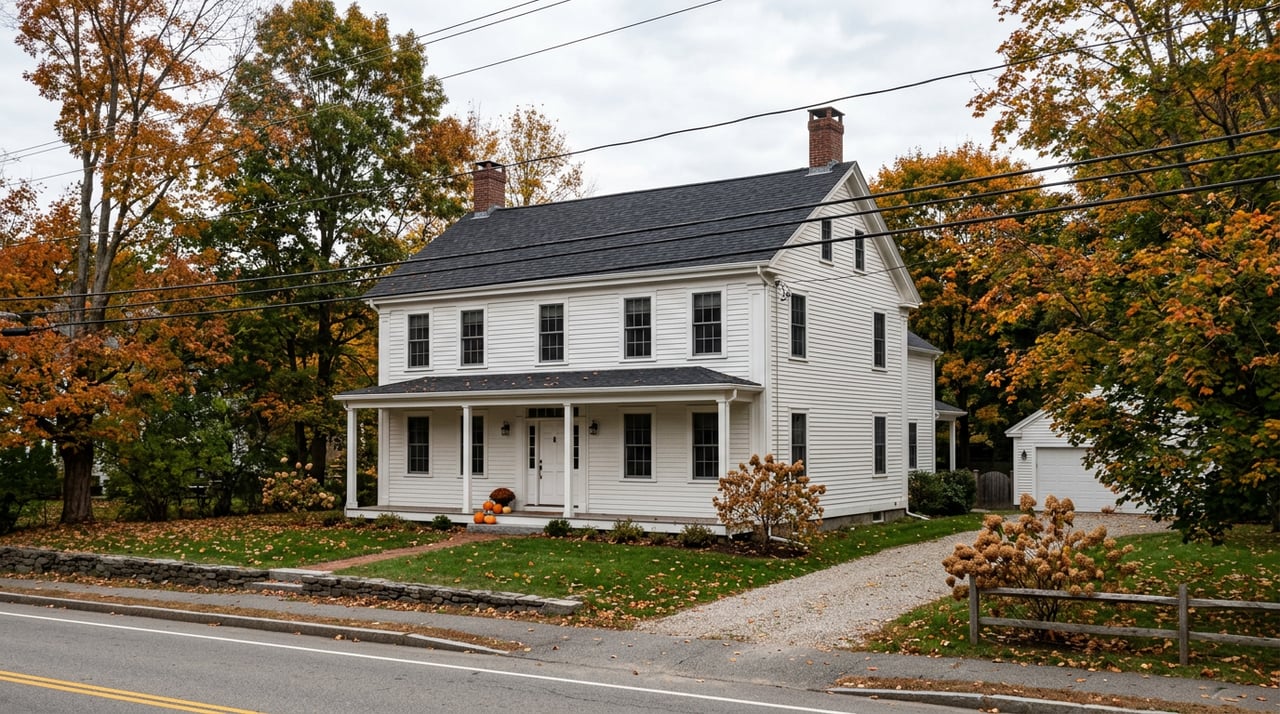
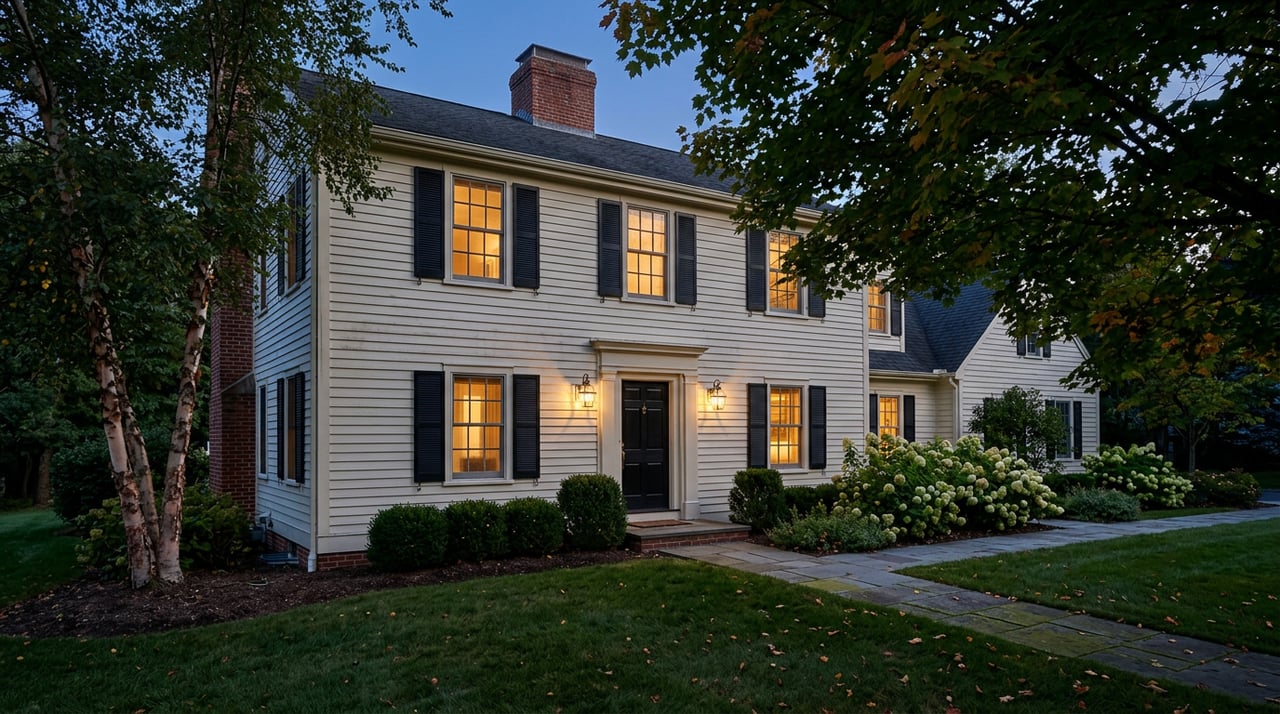
That zoning pattern shapes what you are likely to find on the market. Sudbury is dominated by detached single-family homes on larger lots, rather than a compact, mixed-use, or transit-oriented housing stock. If your top priorities are yard space, privacy, and a lower-density residential setting, that is a meaningful advantage.
The town’s recent housing data also reinforces that larger-home profile. In 2023, only 15% of single-family homes sold were under 2,000 square feet, while 29% were 4,000 square feet or larger. In practical terms, that means buyers looking for substantial interior space have a stronger chance of finding it here than in more compact suburban markets.
Space in Sudbury is not the budget option. Census QuickFacts places the town’s median owner-occupied home value at $988,900, which is above Wayland at $936,900 and Natick at $821,000, though still below Lincoln at $1,180,100.
The town’s draft Housing Production Plan shows a similar trend in sale prices. The median single-family sale price rose from $750,000 in 2013 to nearly $1.2 million in 2022, and it remained above $1 million in 2023. That tells you Sudbury operates as a premium suburban market, especially for buyers seeking more house and more land.
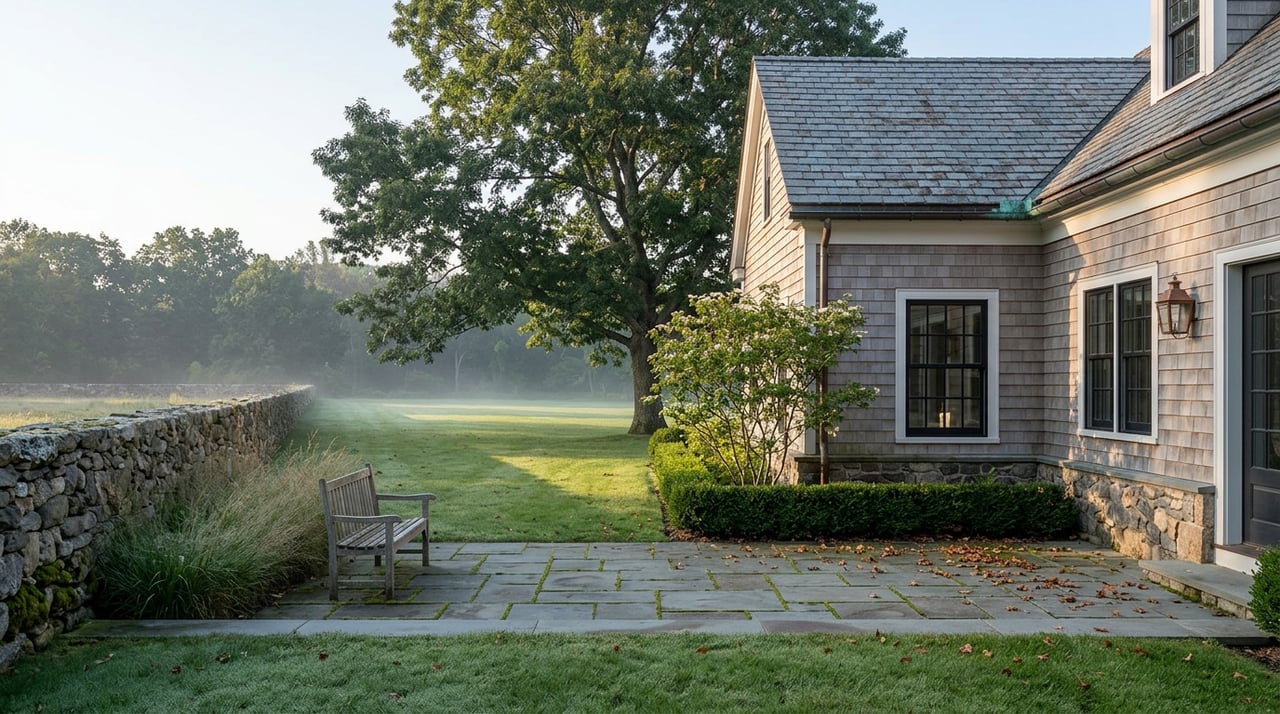
For many Boston-area families, this is the real decision point. You are not choosing Sudbury because it offers the lowest entry price. You are choosing it because the housing stock often delivers more yard, more separation from neighbors, and a more rural-feeling residential pattern.
If Sudbury is on your list, there is a good chance you are also looking at Wayland, Lincoln, or Natick. Each town appeals to buyers in a similar broader area, but they offer a different balance of space, price, and daily convenience.
Wayland is one of the closest comparisons for buyers who want larger lots but are also watching commute time carefully. Its single-residence districts range from 20,000 to 60,000 square feet, which is generally less restrictive than Sudbury’s lot pattern. Wayland’s median home value is also slightly lower.
Commute data adds another layer. Census QuickFacts shows a mean commute to work of 30.8 minutes in Wayland, compared with 34.6 minutes in Sudbury. If you want space but also hope to keep the drive a bit more manageable, Wayland may feel like a middle ground.
Lincoln is the more restrictive and more expensive option in this group. Its R-1 district requires 80,000-square-foot lots, and the town notes that lots under two acres are non-conforming. Lincoln’s median home value is higher than Sudbury’s.
For buyers focused on large parcels, Lincoln may appeal, but it is typically an even more premium proposition. Sudbury can sometimes offer a similar sense of space while sitting at a somewhat lower home value benchmark.
Natick is the more compact and flexible alternative. Its residential districts range from 15,000 to 80,000 square feet, and the town reports that 47% of its land area is residential while multi-family uses account for 17% of residential acreage.
That gives Natick a different feel in both housing variety and land use. If you are open to a more compact suburban environment with a broader mix of housing types, Natick may offer more flexibility. If your goal is a detached home on a larger lot, Sudbury is more directly aligned with that search.
When families move, daily routines matter as much as square footage. Sudbury Public Schools include four elementary schools, Israel Loring, Peter Noyes, Josiah Haynes, and General John Nixon, along with Ephraim Curtis Middle School. Students then attend Lincoln-Sudbury Regional High School, which serves students from Lincoln and Sudbury, as well as students participating in METCO.
That setup gives families a local path through middle school, followed by a regional high school structure. For some buyers, that feels straightforward and appealing. For others, it is simply one part of the larger decision about whether the home, lot, and location fit the way they want to live.
Nearby towns are structured differently. Wayland has three elementary schools, one middle school, and one high school. Natick has four elementary schools, two middle schools, and one high school, while Lincoln has Lincoln School K-4, Lincoln School 5-8, Hanscom School K-8, plus preschool, with high school students also attending Lincoln-Sudbury Regional High School.
This is where Sudbury asks buyers to be honest about priorities. The town’s Transportation Committee states that Sudbury is currently car-dependent, has no public transportation within town boundaries, and has limited commuter rail parking in adjoining towns.
The town does offer specialized transportation options, including the Sudbury Connection van, MWRTA Dial-a-Ride, Go Sudbury health rides, Catch Connect, and the Sudbury-Wayland Boston Hospital Shuttle. Still, for most households, daily life is built around driving.
Commute data supports that reality. Census QuickFacts lists Sudbury’s mean travel time to work at 34.6 minutes, compared with 30.8 in Wayland, 30.7 in Natick, and 25.5 in Lincoln. Among those comparison towns, Sudbury has the longest average commute.
That does not make it the wrong move. It simply means Sudbury tends to work best when the commute is acceptable, rather than the single most important factor in your search. If your top priority is more space and privacy, that tradeoff may feel worthwhile.
Sudbury tends to make the most sense for buyers who are intentionally moving up for space. If you want a larger detached home, a substantial yard, and a lower-density setting, the town checks those boxes clearly.
It can be especially appealing if you are coming from a Boston neighborhood or a closer-in suburb where outdoor space feels limited. The difference in lot size and overall residential fabric is not subtle. You feel it in the spacing between homes, the amount of land attached to many properties, and the town’s overall pace.
At the same time, Sudbury may be less ideal if you want the shortest possible commute, easier rail access, or a lower-cost suburban entry point. Buyers who value flexibility in housing type or a more compact town layout may find themselves comparing it closely with Natick or Wayland instead.
If you are seriously considering Sudbury, it helps to weigh the decision through the lens of your real daily life. A few questions can quickly clarify whether the town is the right fit.
If you answer yes to most of those questions, Sudbury may be a strong match. If you hesitate on several of them, another nearby town may align more closely with how you want to live day to day.
Sudbury is not the easiest commuter town, and it is not the lowest-cost move for Boston families. What it offers instead is a clear value proposition: larger detached homes, larger lots, and a more spacious residential setting than many nearby options.
Compared with Wayland, Lincoln, and Natick, Sudbury sits in the middle-to-upper tier on pricing, near the top on lot size, and firmly on the car-dependent end of the spectrum. For families who want room to spread out and are willing to trade some convenience for that space, it can be a very compelling move.
If you are sorting through towns in the Metrowest market, the best decision usually comes down to fit, not just price. A well-chosen move balances house size, daily logistics, and the kind of neighborhood setting that will feel right for your next chapter. If you are considering Sudbury or comparing it with nearby towns, Beyond Boston Properties can help you weigh the numbers, the tradeoffs, and the real-world lifestyle fit with clarity.
Stay up to date on the latest real estate trends.
Contact us today to discover how the power of three can elevate your home buying and selling experience in the towns and communities of Greater Boston.